Views: 0 Author: Site Editor Publish Time: 2026-01-26 Origin: Site
You may ask if spc flooring or wpc is better for your project. Both types keep water out, but each has special good points. Many people pick spc because it is strong and not too expensive. Wpc is picked because it feels soft to walk on. Here are some main reasons people like one more than the other:
Strong for busy areas (spc)
Soft for rooms where you relax (wpc)
Good price for your money (spc)
Stops water from getting in (both)
This guide will help you pick the right flooring for you.
SPC flooring works well in places with lots of people. It has a tough core that does not dent easily. You can put it in kitchens and bathrooms. It lasts a long time.
WPC flooring feels soft and warm when you walk on it. It is great for bedrooms and living rooms. These rooms need to be cozy and comfortable.
Both SPC and WPC do not let water in. SPC is best for busy spots. WPC is better for quiet and relaxing spaces.
Think about how much money you want to spend. SPC costs less at first. WPC might cost more to fix later.
Pick your flooring by how you use the room. SPC is strong and easy to clean. WPC is comfy and helps keep things quiet.
When you look at luxury vinyl flooring, you see two main types: spc flooring and wpc. Both keep water out and work in many rooms. Spc stands for stone polymer composite. Wpc means wood polymer composite or wood plastic composite. The biggest difference is what is inside each plank.
Spc flooring has a core made from stone plastic composite. This core has limestone and calcium carbonate. It is very hard and dense.
Wpc flooring has a core made from wood polymer composite. This core mixes wood-like materials with plasticizers. It feels softer and thicker under your feet.
Spc feels firmer and does not dent easily. Wpc feels warmer and quieter when you walk on it. If you want strong floors for busy places, spc is best. If you want comfort for bedrooms or family rooms, wpc is softer.
Tip: Use spc in kitchens and bathrooms. Use wpc in living rooms and places where you want more comfort.
Here is a simple table to help you see the main differences between spc flooring and wpc:
Feature | SPC Flooring | WPC Flooring |
|---|---|---|
Core Composition | Stone plastic composite (limestone, calcium carbonate, plasticizers) | Wood polymer composite (wood products, plasticizers) |
Density Characteristics | Thinner, more rigid | Thicker, more cushioning |
Rigidity | Extremely rigid | Slightly softer, more flexible |
Durability | Highly dent-resistant | May show dents under extreme pressure |
Comfort | Firmer feel | Warmer, softer, quieter |
Ideal Applications | High-traffic zones, kitchens, baths | Living rooms, bedrooms, family spaces |
Cost | Usually more affordable | Tends to carry a small premium |
Spc flooring gives you a tough surface for heavy use. Wpc offers a softer feel and better sound absorption. Both are luxury vinyl flooring, but each fits different needs. When you choose, think about where you want the floor and how much comfort or strength you need.
When you want a floor that stands up to daily life, spc flooring gives you confidence. The core of spc is dense and strong. This makes it a top choice for places where people walk a lot, like restaurants, offices, and shopping centers. You do not have to worry about dents or scratches from heavy furniture or dropped items. The surface layer protects against marks and keeps your floor looking new.
You get dent resistance that lasts for years.
The tough core helps prevent damage from shoes, carts, or even pets.
Spc flooring offers extreme durability, so you can use it in busy homes or commercial spaces.
Note: If you need a floor for a high-traffic area, spc will not let you down. It is built to last and keeps its good looks even when life gets busy.
Spc flooring also gives you peace of mind when it comes to sunlight and temperature changes. The stone-based core provides dimensional stability, so the planks do not expand or shrink much. You can install spc in rooms with big windows or places that get hot and cold. The color stays true, and the planks stay flat.
Spc resists fading from sunlight, so your floors keep their color.
The core does not warp or buckle, even with big swings in temperature.
You can use spc in sunrooms, kitchens, or entryways without worry.
If you want maximum durability and a floor that handles tough conditions, spc is a smart pick. You get a strong, stable surface that works in almost any room.
When you walk on wpc, you notice the difference right away. The core of wpc is thicker and more cushioned than other types of rigid core flooring. This design gives you a softer and warmer feeling underfoot. If you spend a lot of time standing or walking in your home, you will enjoy the extra support. Many people choose wpc for bedrooms, living rooms, or playrooms because it offers superior comfort.
Here is a quick look at how wpc compares to spc flooring for comfort:
Flooring Type | Comfort Level | Notes |
|---|---|---|
WPC | Superior | Thicker and aerated core provides more comfort underfoot. |
SPC | Moderate | Less cushioned compared to WPC. |
The core is thicker and more cushioned than spc flooring, enhancing comfort.
Wpc flooring is warmer underfoot due to its thicker core.
You can feel the difference every day, especially if you like to walk barefoot or have kids who play on the floor.
Wpc also helps keep your home quieter. The thick, cushioned core absorbs sound, so footsteps and dropped items make less noise. This feature is helpful in multi-story homes or condos, where noise can travel between floors. Wpc flooring is recognized for its good sound absorption capabilities and eco-friendly properties.
Wpc flooring dampens sound, making it easier to relax.
You get less impact noise, which is great for bedrooms and family rooms.
If you want a floor that feels soft and keeps your home peaceful, wpc is a smart choice. You get both comfort and quiet in one package.
When you choose new flooring, you want to know how well it keeps out water. Both stone polymer composite and wood polymer composite floors offer strong waterproof capabilities. You can use them in places where spills and moisture happen often. Still, each type has its own strengths when it comes to handling water.
SPC flooring stands out for its tough, waterproof core. You can trust it in rooms where water is a problem, like kitchens or bathrooms. The stone polymer composite core does not let water soak in, even if you spill something or the room gets humid.
SPC flooring works well in real homes and busy places. It handles spills and high humidity without damage.
After a 72-hour water immersion test, SPC flooring absorbed less than 0.1% of water. This shows it resists water very well and keeps its shape.
You do not have to worry about warping or swelling, even if water sits on the floor for a while.
Tip: Use SPC flooring in laundry rooms, entryways, or basements where water can be a problem.
WPC flooring also gives you strong waterproof protection. The wood polymer composite core blocks water from getting inside the plank. This helps keep your subfloor safe and lowers the risk of mold.
WPC flooring has a waterproof core that stops damage from standing water.
It protects the floor underneath and helps prevent mold from growing.
WPC does not warp or crack when the temperature changes. It keeps its shape in both hot and cold rooms.
You can clean WPC flooring easily, and it does not get damaged by water, so it works well in bathrooms and kitchens.
Note: WPC is a good choice for family rooms, kitchens, and bathrooms where you want both comfort and waterproof features.
Both SPC and WPC give you peace of mind in wet areas. You can pick either one for rooms with water, but SPC is best for places with heavy use, while WPC adds comfort in spaces where you relax.
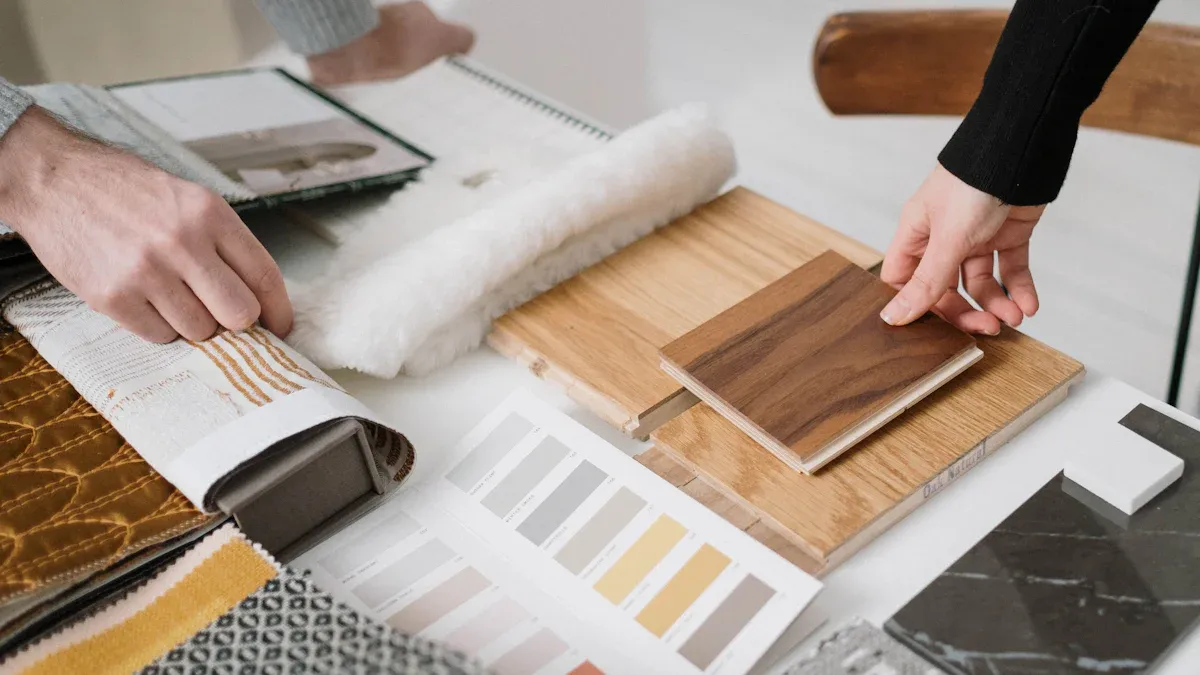
There are lots of choices for luxury vinyl flooring. People want floors that fit their style and needs. You can pick many colors, patterns, and finishes. SPC and WPC flooring have designs for modern, classic, or rustic looks. More people want to make their whole house match their taste. SPC flooring is growing fast in popularity. WPC flooring is also getting more fans.
You can use luxury vinyl plank for a wood look. You can also pick stone designs for a smooth finish. These floors work in living rooms, kitchens, and offices. They are stable and flexible, so you can match them to your furniture and walls. Many brands let you pick custom patterns and sizes. This makes it easy to find the right floor for your space.
Tip: Try using different plank sizes or colors. This can help you make a floor that is special and stands out.
You want your floors to look and feel real. SPC and WPC flooring use new technology for real-looking textures and patterns. These floors can look like real wood or stone. You get the look of hardwood or stone without spending a lot or doing much work.
Here is a quick table to show how SPC and WPC compare to real materials:
Flooring Type | Texture Characteristics | Realism Comparison |
|---|---|---|
WPC | Softer, warmer feel, embossed wood textures | Mimics natural hardwood aesthetics |
SPC | Harder, denser texture, realistic stone finish | Replicates the look of natural stone |
You can feel the difference when you walk on them. WPC feels soft and warm. SPC feels firm and cool like stone. Both types use embossing and printing for real-looking textures and patterns.
Many brands care about the environment. WPC flooring uses recycled materials and makes less pollution than hardwood. SPC flooring meets rules for safety and clean air. You can pick floors that look good and help the planet.
Recycled vinyl helps lower pollution.
Many products are safe and do not catch fire easily.
Clear VOC data helps keep your air clean.
Note: You get style, comfort, and peace of mind with SPC or WPC flooring for your next project.
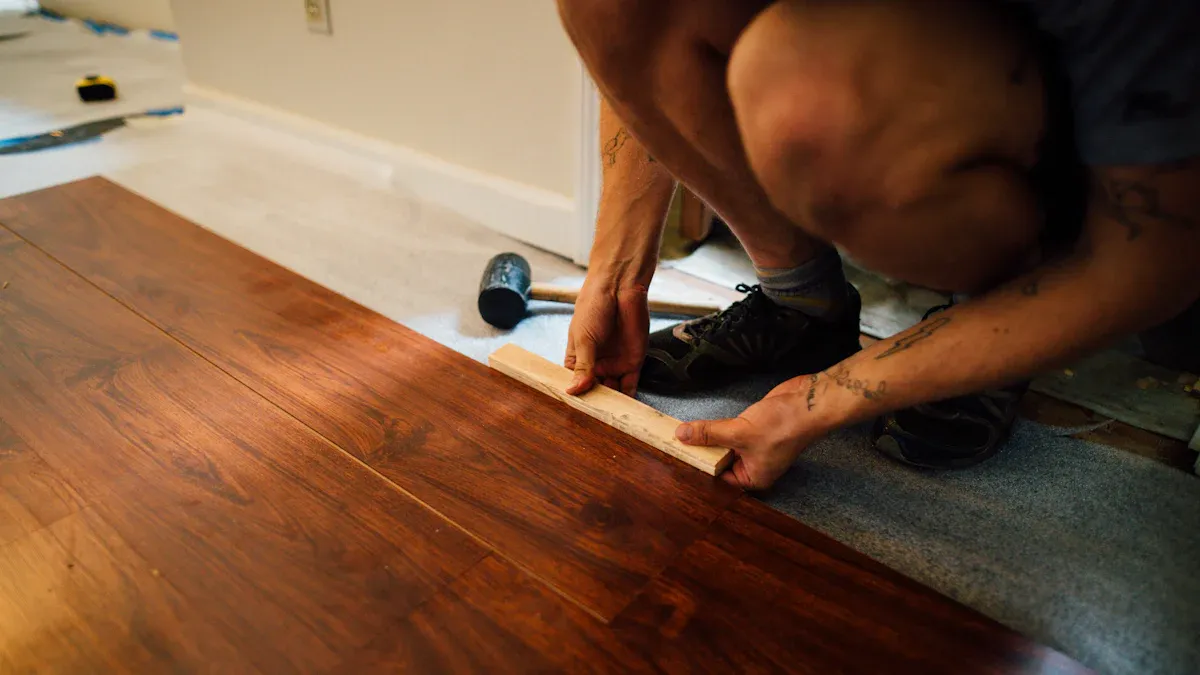
You want a floor that is easy to install and lasts a long time. Both SPC and WPC flooring use a click-lock system, so you can install them without glue or nails. This makes the process faster and cleaner. You can often finish a room in one day.
Before you start, you need to prepare the subfloor. Proper subfloor preparation is essential for a smooth installation. SPC flooring handles small bumps or uneven spots better than WPC. WPC needs a flat base for the best results. Both types need time to adjust to your room’s temperature and humidity. Let the planks sit in the room for at least 48 hours before you install them.
Here is a quick look at common installation challenges:
Challenge | SPC Flooring | WPC Flooring |
|---|---|---|
Subfloor Preparation | Handles uneven subfloors well | Needs a flatter base |
Acclimatization | Important for best results | Important for best results |
Tip: Take your time with subfloor prep. This step helps your new floor last longer and look better.
You want to know how much each flooring type costs. The price depends on the quality and style you choose. SPC flooring usually costs less than WPC. If you want a budget-friendly waterproof flooring solution, SPC is a smart pick.
Type | Cost per Sq.Ft. |
|---|---|
Mid-Grade SPC/WPC Waterproof Plank | $2.75–$4.25 |
Premium Wide-Format Designer Plank | $4.50–$6.50 |
SPC | $3.50–$7 |
WPC | $4–$12 |
SPC flooring may have a higher upfront cost than some basic options, but it saves you money over time. You spend less on repairs and upkeep—about $0.05 per square foot each year. WPC flooring can cost less at first, but you may pay more for repairs, up to $0.15 per square foot yearly.
Warranty terms also matter. SPC flooring often comes with longer warranties and fewer restrictions. WPC warranties may be shorter and have more rules about installation and moisture.
Note: Think about both the price and the long-term value when you choose your flooring.
You want a floor that stands up to busy spaces. SPC flooring gives you the strength you need for high-traffic areas. The stone core resists dents and scratches, even when many people walk on it every day. You can use this type of luxury vinyl flooring in places where shoes, carts, and heavy items move often.
Here is a table that shows where you can use spc in commercial and public spaces:
Environment | Specific Use Cases |
|---|---|
Retail stores | Checkout lanes, display aisles, back-of-house areas |
Hospitality | Hotel lobbies, restaurant dining areas, bar zones |
Office spaces | Open plan floors, meeting rooms, corridors |
Healthcare & clinics | Hygienic surfaces, easy to sanitize, slip-resistant |
Education | Classrooms, corridors, administrative areas |
Transport hubs | Airport lounges, station concourses |
Community centers | Multi-use areas, light industrial showrooms |
You can also use spc in your home. It works well in kitchens, entryways, and laundry rooms. These rooms see a lot of foot traffic and spills. The waterproof core keeps your floor safe from water and stains.
SPC flooring handles pressure up to 1,500 psi. The thick wear layer protects against scratches. You get a floor that lasts for years, even in high-traffic spaces. Many people choose spc for seamless indoor-outdoor living. You can design feature walls or use special patterns like herringbone and chevron. This adds style and strength to your home or business.
Tip: If you have kids or pets, spc gives you a child-friendly and pet-resistant surface. You spend less time worrying about damage.
You want comfort in rooms where you relax. WPC flooring gives you a soft, warm feel underfoot. The thick core and built-in underlay make it quieter than other floors. You can use wpc in low-traffic areas like bedrooms, living rooms, and family spaces.
Many people pick wpc for its cozy and hushed atmosphere. The sound reduction can reach up to 24dB. This means you hear fewer footsteps and less noise from dropped items. You can walk barefoot and feel warmth, even in winter.
Here are some reasons to use wpc in comfort spaces:
Warmer and quieter than other floors
Great for bedrooms and living rooms
Makes playrooms safe and soft for children
Easy to clean and maintain
WPC works well in homes where you want peace and relaxation. You can enjoy movie nights, quiet reading, or family time without loud echoes. The waterproof core also protects against spills, so you do not have to worry about accidents.
When you choose between spc and wpc, think about what matters most in each room. Durability, water resistance, and comfort all play a role. Use spc for high-traffic spaces and wpc for low-traffic areas where you want extra comfort.
You want the right flooring for each room. Choose spc for high-traffic areas where durability and easy cleaning matter most. Pick wpc for quiet, relaxing spaces where comfort and sound absorption are important. Both options are waterproof, so you can use them in kitchens or bathrooms. Think about how much traffic, who uses the room, and your budget. Match your flooring to your lifestyle for the best results.
SPC flooring has a stone-based core. WPC flooring uses a wood-polymer core. SPC feels harder and resists dents. WPC feels softer and warmer underfoot.
Yes, you can install both types over many old floors. Make sure the surface is clean, dry, and level. Always follow the manufacturer's instructions for best results.
SPC flooring works best for homes with pets. It resists scratches and dents from claws. You can clean up accidents easily. WPC also works, but SPC gives more durability.
Tip: Trim your pet’s nails often to keep your floors looking new.
Flooring Type | Sound Absorption |
|---|---|
SPC | Moderate |
WPC | High |
WPC flooring absorbs more sound. You get a quieter room with less echo. SPC works well, but WPC is best for noise control.


