Views: 0 Author: Site Editor Publish Time: 2026-03-24 Origin: Site
Factor | WPC Wall Panels | Traditional Wood |
|---|---|---|
Durability | Less warping or fading | May warp or fade over time |
Maintenance | Low | Higher |
Longevity | Long-lasting | Needs regular upkeep |
Cost-effectiveness | Saves money over time | Higher upkeep costs |
Consider what matters most to you. Do you want to save time, save money, or prefer a classic look? With wpc wall panels, you can enjoy durability and low maintenance for years to come.
WPC wall panels are easy to take care of and last a long time. This makes them great for homes where people are busy. Traditional wood panels look classic and nice. But you have to take care of them often to keep them looking good. WPC panels do not get damaged by water. So, you can use them in bathrooms and kitchens. Picking WPC can help you save money over time. This is because you do not need to fix or replace them as much. Think about what style you like and how much work you want to do. This will help you choose between WPC and traditional wood.
When you hear about wpc wall panels, you might wonder what makes them different from other wall coverings. WPC stands for wood plastic composite. This material blends wood flour or sawdust with thermoplastic resin and special additives. Most wpc wall panels use about 60% wood flour and 40% plastic. This mix gives you the best of both worlds. You get the natural look of wood and the strength of plastic. The result is a wood plastic wall panel that looks stylish and lasts a long time.
You will notice that a wood-plastic wall panel feels sturdy. The plastic part helps protect the wood from damage. The wood part keeps the panel looking warm and inviting. Many people choose wpc wall panels because they want something that looks good and stands up to daily life.
WPC wall panels offer several features that make them a smart choice for your home. Here are some reasons why you might pick a wood plastic composite wall panel:
Affordability: WPC wall panels usually cost less than solid wood panels. You can get a modern look without spending too much.
Moisture resistance: The wood plastic composite material resists water. You do not have to worry about warping, swelling, or rot. WPC panels stay strong even in humid rooms or bathrooms. The dense, non-porous structure keeps water out. In tests, wpc wall panels show almost no swelling after soaking in water.
Low maintenance: You do not need to paint, seal, or sand a wood-plastic wall panel. Cleaning is easy. Just wipe the surface with a damp cloth.
Modern look: WPC wall panels come in many colors and styles. You can find a wood plastic wall panel that matches your taste. Some panels look like real wood, while others have bold, modern designs.
Tip: If you want a wall covering that saves you time and effort, wpc wall panels are a great option. You get a wood-plastic wall panel that looks good and lasts for years.
When you think about traditional wood panels, you probably picture the classic walls you see in older homes or cozy cabins. Traditional wood panels use real wood cut into boards or sheets. You can find these panels in living rooms, dining rooms, offices, and even bedrooms. Many people choose traditional wood because it brings a sense of natural beauty and warmth to any space.
You will often see traditional wood panels made from different types of wood. Some of the most common choices include:
Oak
Walnut
Teak
Pine
Each type of wood gives the panels a unique look and feel. Oak and walnut offer rich, deep colors, while pine and teak bring lighter tones. You can pick the wood that matches your style and the mood you want for your room.
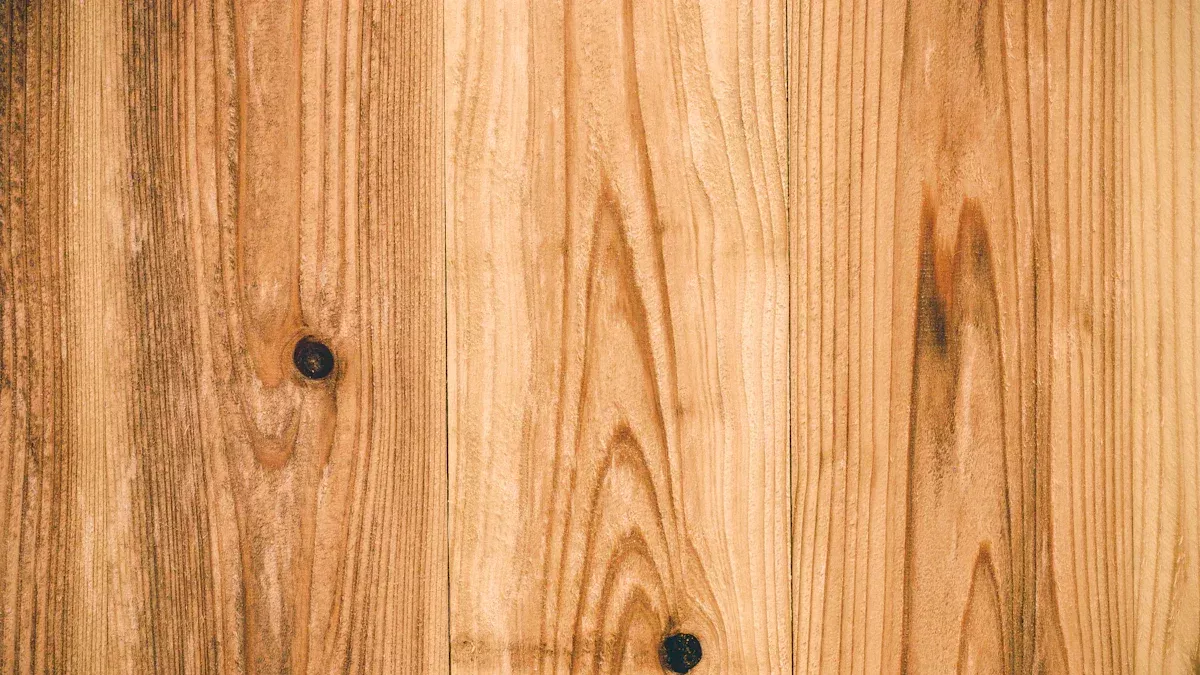
Traditional wood panels stand out for their natural beauty and timeless charm. The natural grain in each solid wood wall panel creates patterns and textures that make every wall unique. This grain gives your space a warm, inviting feeling that synthetic materials cannot match. You will notice how the natural grain adds depth and character, making your walls feel alive and full of history.
If you want a wall that shows off traditional beauty and natural beauty, traditional wood panels are a great choice. The grain patterns and textures bring out the best in any room, from rustic to modern.
You can use traditional wood panels in many ways. Some people cover an entire room, while others use them for accent walls. The solid wood wall panel works well in both large and small spaces. You can also choose from different finishes, like hand-hewn or band-sawn, to match your taste.
Keep in mind, traditional wood panels need more care than other options. You may need to clean, polish, or even refinish them to keep their natural beauty. Over time, you might see scratches or fading, but many people feel this only adds to the charm.
If you want a wall covering that brings natural beauty, traditional wood panels give you a classic look and a sense of tradition that lasts for years.
When you choose wall panels for your home, you want them to last. You also want them to stand up to daily wear and tear. Let’s look at the durability and longevity of wpc and traditional wood. This will help you see the difference between solid wood and wpc.
Wpc wall panels give you strong protection against many common problems. You do not have to worry much about moisture resistance. The plastic in wpc keeps water out, so you will not see swelling or rot. Insects like termites do not like wpc, so you get high resistance to bugs. Fungal decay is not a big problem either. If you want to see how wpc compares to traditional wood, check out this table:
Feature | WPC Wall Panels | Traditional Wood |
|---|---|---|
Resistance to Insects | High (termite-resistant) | Low |
Moisture Resistance | High | Low |
Fungal Decay Resistance | Superior | Inferior |
You can see that wpc wall panels win in almost every category. They also have good fire resistance because the plastic part does not burn as fast as wood. You get peace of mind knowing your walls are safer.
When you look at the average lifespan, wpc wall panels last a long time. Most wpc panels stay strong for 20 to 30 years in a normal home. Some even last longer if you clean them now and then. Here is a quick look at how long each material lasts:
Material Type | Average Lifespan |
|---|---|
WPC Wall Panels | 20-30 years |
Traditional Wood | 10-15 years |
You do not need to paint, seal, or sand wpc wall panels. This means you save time and money over the years. If you want a wall that keeps looking good with little effort, wpc is a smart pick.
Traditional wood gives your home a classic look, but it needs more care. You will notice that traditional wood panels do not have the same moisture resistance as wpc. Water can get into the wood, causing swelling, warping, or even rot. Insects like termites can also damage traditional wood. Fungal decay is another risk, especially in damp rooms.
Traditional wood panels usually last between 10 to 20 years. If you take great care of them, you might get closer to 20 years. Most people see some fading, scratches, or even cracks over time. You may need to refinish or repair traditional wood panels to keep them looking nice.
Fire is another thing to think about. Traditional wood burns more easily than wpc. The way wood burns depends on how much water is in it, the type of wood, and how dense it is. Some people use special treatments to make wood less likely to catch fire. Charring the surface or adding oil can help, but these steps do not make wood as safe as wpc.
If you want to boost the durability of traditional wood, you need to keep it dry and clean. You might also want to use fire retardants or sealants. Even with these steps, traditional wood panels do not match the durability and longevity of wpc wall panels.
Tip: If you want less work and more peace of mind, wpc wall panels are the better choice for durability and longevity. If you love the look of traditional wood, be ready to spend more time on care and maintenance.
You want your walls to look good without a lot of work. Wpc wall panels make that easy. You do not need to paint them. You do not need to seal them. You only need to wipe them with a damp cloth if they get dusty or dirty. That is it. Wpc gives you low maintenance from day one. You do not have to worry about mold or mildew. The panels resist stains and water. You can use them in kitchens, bathrooms, or basements. Wpc keeps its color and shape for years. You do not need to sand or refinish the surface. If you want a wall that saves you time, wpc is the answer. You get durability and low maintenance in one package.
Many homeowners love how wpc wall panels handle daily life. Kids can touch the walls. Pets can brush against them. You do not need to panic. Wpc stands up to bumps and scratches. If you see a mark, just wipe it away. You do not need special cleaners. You do not need to call a pro. Wpc gives you peace of mind and low maintenance every day.
Tip: If you want to spend less time on chores, choose wpc wall panels. You get a modern look and low maintenance for years.
Traditional wood brings warmth and beauty to your home. It also asks for more care. You need to clean traditional wood panels often. Dust can build up in the grain. You may need to polish the surface to keep it shiny. Scratches and dents can show up over time. You might need to sand and refinish the panels to keep them looking fresh.
Painting and sealing are important for traditional wood. You cannot skip these steps. Traditional wood panels need to be sealed or painted every few years. This keeps them strong and beautiful. If you forget, water can get in. The panels can warp or rot. Bugs can also cause problems. You may need to repair or replace damaged spots. Traditional wood does not give you the same low maintenance as wpc. You need to plan for regular upkeep.
If you love the look of traditional wood, be ready to put in the work. You get classic style, but you trade that for more chores. Wpc gives you low maintenance and durability. Traditional wood gives you beauty and tradition, but it needs more care.
Maintenance Task | WPC Wall Panels | Traditional Wood Panels |
|---|---|---|
Cleaning | Easy wipe | Dust and polish |
Painting/Sealing | Not needed | Every few years |
Repairs | Rare | Sometimes needed |
Upkeep Level | Low maintenance | High maintenance |
Note: If you want low maintenance and durability, wpc wall panels are the best choice. If you want the charm of traditional wood, get ready for more work.
You want your walls to stay strong, even in places where water is a problem. Wpc wall panels give you that peace of mind. These panels mix wood and plastic, so you get the best of both. The plastic keeps water out, and the wood gives a warm look. You can use wpc in bathrooms, kitchens, laundry rooms, or even basements. The panels do not swell or crack when the air gets damp. You do not have to worry about mold or rot. Wpc stands up to splashes and steam.
Here’s what makes wpc a smart choice for wet areas:
Wpc panels resist moisture, so you do not see swelling or warping.
You do not have to deal with rot or mold.
The panels keep their shape and color, even in high humidity.
Wpc does not crack or split when the temperature changes.
Tip: If you want a wall that looks good and stays strong in any climate, wpc wall panels are a great pick. You can clean them with a damp cloth, and they will not lose their shine.
Traditional wood brings a classic look to your home, but it does not like water. When you put traditional wood in a bathroom or kitchen, you might see problems. The panels can soak up water from the air. This makes them swell, shrink, or even crack. Over time, you may notice warping or gaps between the boards. Mold and rot can also show up if the room stays damp.
Let’s look at how traditional wood reacts in wet spaces:
Traditional wood panels are sensitive to moisture and temperature changes.
You might see expansion, shrinkage, or cracking in high-humidity rooms.
Warping and rot can happen if water gets into the wood.
You need to seal or treat traditional wood often to protect it.
Note: If you love the look of traditional wood, keep it in dry rooms. Wet areas can cause damage that is hard to fix. You will spend more time and money on upkeep.
Feature | WPC Wall Panels | Traditional Wood |
|---|---|---|
Moisture Resistance | Excellent | Poor |
Mold/Rust Resistance | High | Low |
Upkeep in Wet Areas | Easy | Difficult |
Wpc wall panels give you a worry-free option for any room with water. Traditional wood needs extra care and does not last as long in wet places.
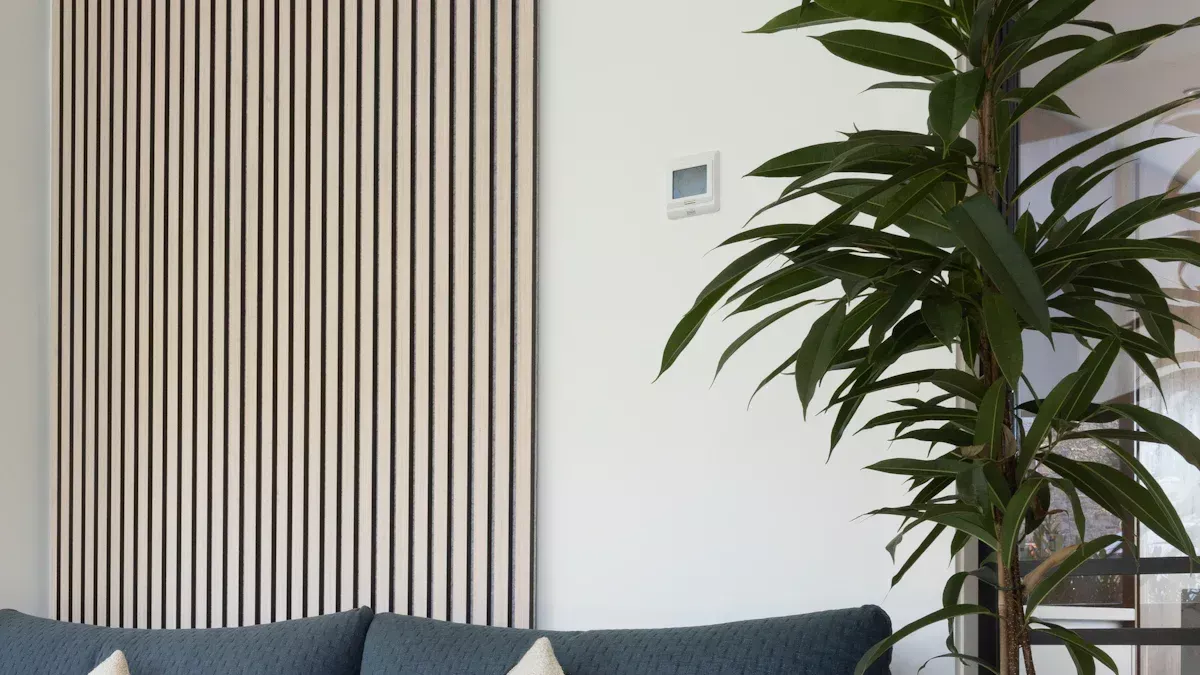
You want your walls to stand out and match your style. WPC wall panels give you a lot of choices for color, texture, and design. You can pick panels that look like real wood, polished marble, or even bold, custom colors. Some panels have a smooth, matte finish for a modern feel. Others have an embossed wood grain that brings a classic touch. If you like something unique, you can choose panels with grooves, waves, or 3D patterns. Fluted or slatted designs create clean lines, while wavy patterns add a softer look.
Wide range of colors, from light shades that keep rooms cool to dark tones for a dramatic effect.
Finishes include smooth, matte, embossed wood grain, marble, and metallic.
Textured options feature grooves, waves, or 3D patterns for extra style.
You can mix and match these options to fit any room. WPC wall panels help you create a space that feels fresh and modern or warm and traditional. You get flexibility without giving up durability.
Tip: If you want to refresh your home’s look without a lot of work, WPC wall panels make it easy to get the aesthetic appeal you want.
Traditional wood brings a special feeling to any room. You notice the natural warmth and richness right away. The wood tones make your space feel cozy and inviting. You can stain or paint traditional wood to match your favorite colors. This lets you create a custom look that fits your style.
Adds natural warmth and richness to a room.
Creates a cozy and inviting atmosphere.
Can be stained or painted for a custom finish.
Improves acoustics and provides insulation.
Increases the value of your home.
Traditional wood also helps with sound and keeps rooms comfortable. Many people choose traditional wood when they want a calm, peaceful feeling. It is a smart way to upgrade your space and make it feel special. The look of traditional wood never goes out of style, and it always adds character to your home.
Note: If you want a classic look that brings comfort and value, traditional wood panels are a great choice.
If you want a wall that is good for the planet, wpc is a smart choice. Wpc panels are made from recycled wood fibers and plastic. This means fewer new materials are needed. It also keeps trash out of landfills. When you pick wpc, you help the earth because these panels use less energy to make. They also last longer than many other wall materials. The factories use energy-saving machines and special water systems. These steps help lower pollution and save water.
Wpc panels use recycled stuff, so there is less trash.
The panels are light, so moving them makes less air pollution.
You can recycle wpc panels when you are done with them.
The way they are made creates less waste.
Studies show wpc panels need less energy to make and do not create much waste. They last a long time, so you do not have to replace them often. This saves trees and other resources. Wpc panels also help stop cutting down forests and protect old trees. This makes them a good choice for your home if you care about nature.
Here is a table that shows how wpc panels help the environment:
Benefit | Explanation |
|---|---|
Reduced Deforestation | Wpc panels mean we need less solid wood, so fewer trees are cut down. |
Preservation of Old-Growth Forests | Using wpc panels helps save old forests that are important for animals and plants. |
Reduced Soil Erosion | Wpc panels help stop soil from washing away, which happens with logging. |
Habitat Preservation | Wpc panels help keep homes for animals and plants safe. |
If you want a wall that is good for the earth, wpc is a smart and green choice.
Traditional wood has been used for a long time and can be good for the planet if you pick the right kind. If you choose wood with special labels like FSC or PEFC, you know it comes from forests that are cared for. These labels show the wood was grown and cut in a way that protects nature.
FSC and PEFC labels mean the wood follows strict rules for the earth.
The wood is tracked from the forest to your house.
Good forest care keeps trees and nature safe.
Traditional wood can be a green choice if people cut trees carefully. This helps protect forests and the animals that live there. It also helps workers use better ways to get wood. But, using traditional wood still means cutting down trees. If forests are not managed well, this can hurt nature. You can help by picking wood with the right labels and supporting good practices.
If you want wood that is good for the planet, always look for these labels. This makes sure your wood comes from safe and healthy forests. When you make smart choices, you help keep forests strong and support green building.
Tip: If you want to help the earth, both wpc and certified traditional wood are good options. Your choice can help protect nature.
When you plan a home project, you want to know how much you will spend now and in the future. Let’s break down the cost comparison between wpc and traditional wood wall panels. You will see how much you pay at the start and what you might save over time.
You probably want to know the price before you choose a wall panel. Wpc panels usually cost less than traditional wood when you look at the material price per square foot. Here’s a quick look at the numbers:
Material | Initial Material Cost (per sq ft) |
|---|---|
WPC (Wood-Plastic Composite) | $3-$10 |
Wood (e.g., Cedar, Pine) | $5-$15 |
You can see that wpc gives you a more cost-effective decorative option right from the start. If you look at the cost per square meter, including installation, wpc panels range from $21.53 to $53.82. This price covers both the panels and the work to put them up. Traditional wood panels often cost more because the wood itself is pricier and the installation takes longer.
Panel Type | Cost per Square Meter (USD) |
|---|---|
WPC Panels | $21.53 to $53.82 |
You might also pay extra for special finishes or custom designs with traditional wood. Wpc panels come ready to install, so you save time and money on labor. If you want to stick to a budget, wpc panels help you keep costs down at the start.
Tip: If you want a stylish wall without breaking the bank, wpc panels give you a modern look for less money upfront.
The total cost of ownership matters just as much as the price you pay on day one. Wpc panels stand out because they need very little care. You do not have to paint, seal, or sand them. You just wipe them clean. This means you spend less on supplies and labor over the years.
Let’s look at how the long-term value stacks up:
Cost Aspect | WPC Louver Panels | Traditional Wood Panels |
|---|---|---|
Initial Cost | Higher upfront cost | Lower upfront cost |
Maintenance Frequency | Minimal upkeep | Frequent maintenance required |
Lifespan | 15 to 25 years | 10 to 15 years |
Repair Costs | Rarely need repairs | Higher due to frequent repairs |
Wpc panels last longer than traditional wood. You can expect them to look good for 15 to 25 years. Traditional wood panels may need repairs or even replacement after 10 to 15 years. You also spend more time and money on upkeep with traditional wood. You might need to repaint, reseal, or fix damaged spots every few years.
When you add up all the costs—materials, installation, repairs, and maintenance—wpc panels often save you money in the long run. This makes them a smart pick if you want a low-hassle wall that keeps looking great. The total cost of ownership for wpc panels stays low because you do not have to worry about frequent repairs or high upkeep bills.
Note: If you want to save money over time, wpc panels give you peace of mind. You pay less for repairs and spend less time on chores. The total cost of ownership stays low, so you can enjoy your walls without worry.
If you love the look of traditional wood, you might pay more over the years. The charm comes with extra work and higher costs. Wpc panels give you a modern, easy-care wall that fits your budget now and later.
You will find that installing wpc wall panels is a straightforward project. Most homeowners can handle it with basic tools and a little patience. You do not need to be a pro to get great results. Here’s how you can do it:
Prep Your Walls: Make sure your wall is clean, dry, and flat. Patch any holes or bumps. A smooth surface helps the panels stick better.
Gather Your Tools: Grab a measuring tape, level, saw, drill, and some safety gear. You will also need adhesive or screws, depending on your panel type.
Measure and Cut: Measure your wall and cut the wpc panels to fit. Double-check your measurements to avoid mistakes.
Install Panels: Start at one end of the wall. Attach a starter strip if needed. Apply adhesive to the back of each panel or use screws. Press the panel firmly onto the wall. Use a level to keep everything straight.
Finish Up: Continue adding panels until the wall is covered. Wipe away any extra glue. Step back and admire your work!
Most people finish installing wpc wall panels in about 4 to 6 hours for a standard room. The panels often have interlocking edges, which makes the job even easier. You do not need many tools, and you can do it yourself or with a friend.
Tip: Take your time with the first panel. If you get it straight, the rest will line up perfectly!
Putting up traditional wood panels takes more time and skill. You need to plan for extra steps and careful work. Here’s what you can expect:
Prepare the Surface: Clean and sand the wall. Make sure it is dry and level.
Cut and Fit Panels: Measure each piece of wood. Cut panels to size. Leave small gaps for the wood to expand and shrink with changes in temperature and humidity.
Attach Panels: Use nails, screws, or adhesive to secure each panel. You may need a hammer, saw, drill, and other tools.
Seal and Finish: Sand the surface again. Apply stain, varnish, or paint. This step protects the wood and brings out its beauty.
Traditional wood panels usually take 8 to 10 hours or more to install in a standard room. The process is more challenging because you must cut each piece carefully and plan for wood movement. You may need help from a skilled carpenter. The finishing steps, like staining and sealing, add even more time.
Installation Step | WPC Wall Panels | Traditional Wood Panels |
|---|---|---|
Ease of Installation | Simple, DIY-friendly | Needs skill and experience |
Tools Needed | Fewer tools | More tools and supplies |
Time Taken | 4–6 hours | 8–10 hours or more |
Note: If you want a quick and easy project, wpc wall panels are the way to go. Traditional wood gives a classic look but needs more effort and time.
If you want to compare WPC wall panels and traditional wood quickly, this table helps. You can see the main differences side by side. This makes it easy to pick what works best for you.
Feature | WPC Wall Panels | Traditional Wood |
|---|---|---|
Durability | High durability; resists moisture, mold, and UV | Can warp or rot; vulnerable to moisture damage |
Maintenance | Low maintenance; easy to clean | Needs regular sealing and upkeep |
Aesthetic Appeal | Mimics wood; realistic appearance | Unique natural beauty; warmth and authenticity |
Installation | Needs specific tools and methods | Simple installation with nails or adhesive |
Cost-Effectiveness | Saves money over time | Higher long-term maintenance costs |
WPC wall panels are very strong and do not need much care. They do not get damaged by water or mold easily. If you want walls that stay nice with little work, WPC is a good choice.
Traditional wood makes your home feel warm and real. You get the look and feel of real wood grain. But you have to clean and seal wood often. This keeps the panels looking good.
Here is a simple look at how to install both types:
Installation Step | WPC Wall Panels | Traditional Wood Panels |
|---|---|---|
Preparation | Inspect tools and site; check panel model, size | Clean wall; gather tools and materials |
Measurement | Measure according to installation diagram | Measure and mark wall area carefully |
Panel Installation | Fix panels to keels with screws | Lay first panel; secure with nails or adhesive |
Tip: If you want to finish fast, WPC wall panels are easier to put up. You can do most rooms in one day. Traditional wood takes longer and needs more skill, but gives a classic look.
Use these tables to help you make your choice. Think about what is most important to you—strong walls, style, or easy cleaning. This will help you find the best wall panel for your home.
You have two great options for your walls. WPC wall panels give you easy care, modern style, and quick installation. Traditional wood brings warmth and a classic look but needs more upkeep. Check this table to see what fits your needs:
Need | Pick Traditional Wood if… | Choose WPC Panels if… |
|---|---|---|
Style | You love rustic or natural grain | You want a sleek, modern finish |
Budget & Upkeep | You have time and money for care | You want low cost and easy cleaning |
Wet Areas | Not the best choice | Perfect for bathrooms and kitchens |
Tip: Visit a showroom or talk with a pro before you decide. Seeing samples can help you choose what feels right for your home.
You can paint WPC wall panels, but most come in finished colors. If you want a new look, use paint made for plastics. Always clean the panels first.
Yes, WPC wall panels work well in bathrooms. They resist water and do not warp. You can wipe them clean easily. Mold does not grow on them.
You clean traditional wood panels with a soft cloth. Dust them often. For stains, use a wood cleaner. Avoid too much water. Polish the panels to keep them shiny.
WPC wall panels usually last longer. They resist moisture and insects. Traditional wood needs more care and can rot or warp over time.