Views: 0 Author: Site Editor Publish Time: 2025-10-27 Origin: Site
Choosing the right materials for your next project can be challenging. Have you considered Wood Plastic Composite (WPC) over PVC?
In this article, we’ll explore why WPC might be the better choice. You’ll learn about its durability, aesthetics, and environmental impact, helping you make an informed decision.
One of the key reasons homeowners and designers turn to WPC is its ability to replicate the natural texture and warmth of wood. WPC boards combine wood fibers and thermoplastics, making them look and feel just like traditional wood without the hassle of frequent maintenance. Whether you’re aiming for a rustic outdoor deck or an elegant wood panel interior, WPC provides the aesthetic appeal of natural wood without the downsides.
WPC boards are available in a wide range of colors, finishes, and textures, offering design flexibility for any project. Options like brushed, grooved, and embossed textures mimic the grain of real wood, ensuring that your outdoor or indoor spaces maintain a sophisticated and inviting look. For homeowners looking to achieve a specific design theme, WPC provides more customization opportunities compared to PVC, which often lacks the depth of texture.
WPC’s versatility allows for a high degree of customization in decking, cladding, and furniture designs. Whether you're working on a contemporary or traditional project, WPC can adapt to fit any vision. From custom shapes to color combinations, WPC helps bring unique design ideas to life. For example, WPC doors can be designed to mimic wood’s natural beauty, offering a modern touch to residential and commercial properties.
Tip:For projects requiring both durability and natural aesthetics, WPC doors are an excellent choice as they offer superior design flexibility.
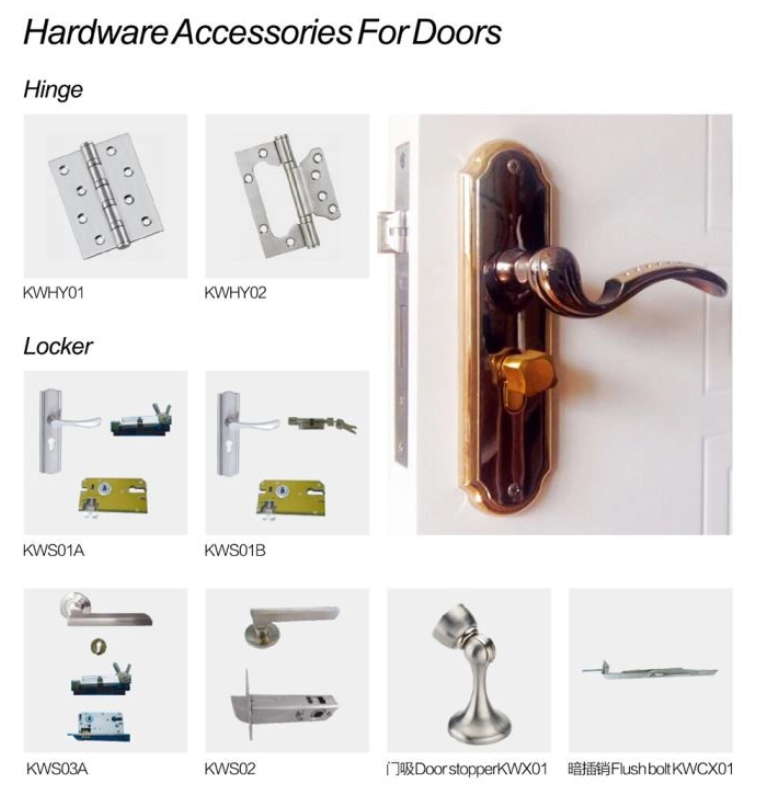
WPC performs exceptionally well when exposed to UV light, which causes PVC to degrade over time. Unlike PVC, which can crack and become brittle under sunlight, WPC retains its integrity, making it an ideal choice for outdoor applications. WPC’s advanced composition helps it resist UV-induced fading and cracking, ensuring that it stays looking fresh and strong for many years.
When it comes to resisting water absorption and surviving outdoor weather conditions, WPC holds a clear advantage. PVC can become brittle and lose its structure over time, especially in fluctuating weather conditions. On the other hand, WPC remains stable even when exposed to rain, humidity, or extreme sun. This makes WPC an excellent choice for areas like decks, fences, and exterior wall cladding, where moisture and weather exposure are common.
WPC has a lifespan of 15–30+ years in outdoor environments, depending on the quality and maintenance of the material. This longevity far surpasses PVC, which typically lasts only 5–15 years outdoors. The combination of wood fibers and plastic in WPC ensures that it remains strong and durable even under the most demanding outdoor conditions.
When selecting materials for outdoor applications, prioritize sustainable wood plastic composite like WPC for its exceptional durability and long lifespan.
WPC is made from a combination of recycled wood fibers and plastics, making it a more environmentally friendly option compared to PVC. PVC is derived from petroleum-based products, which are not renewable. In contrast, WPC reduces waste by repurposing wood fibers and plastic materials. This makes WPC a more sustainable choice for eco-conscious homeowners and builders.
WPC’s sustainable properties contribute to green building certifications like LEED (Leadership in Energy and Environmental Design). By opting for WPC, you can contribute to reducing your environmental footprint, as the material helps to conserve natural resources and supports the use of recycled materials in construction. For projects aiming for FSC certification or similar sustainability goals, sustainable wood plastic composite options like WPC are an excellent choice.
For eco-conscious projects, WPC doors are a great option as they are not only durable but also contribute to a more sustainable living environment.
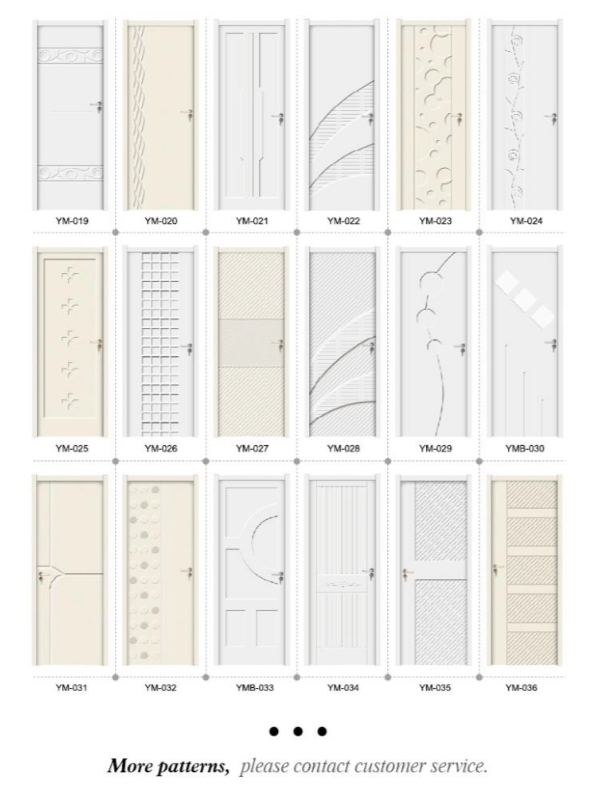
While WPC may have a higher initial cost than PVC, its longevity and reduced maintenance requirements make it a more cost-effective option in the long run. For example, WPC doors may come at a higher upfront cost, but their durability and aesthetic benefits can save money in repairs and replacements over time. Additionally, WPC requires fewer resources for upkeep, further enhancing its value.
WPC’s superior durability also translates to lower maintenance costs. Unlike PVC, which can require sealing or other repairs due to its brittleness, WPC boards and components, including WPC doors, generally need only periodic cleaning and minimal upkeep. Over time, this can translate into significant savings in maintenance, making WPC a smart financial choice for long-term projects.
One of the most notable advantages of WPC over traditional wood is its resistance to pests, including termites. Unlike wood, which can be easily damaged by termites and other pests, WPC boards and WPC doors do not provide a food source for insects. This makes WPC an excellent option for outdoor installations, as it helps to avoid the cost and hassle of pest control treatments.
WPC also performs better than PVC and traditional wood in resisting warping, splitting, and cracking. This is particularly important in outdoor environments where materials are constantly exposed to temperature fluctuations. With its stable structure, WPC ensures that your investment lasts longer and continues to perform effectively without unsightly damage.
| Feature | Wood Plastic Composite (WPC) | PVC |
|---|---|---|
| Material Composition | Combination of wood fibers and plastic | Made from petroleum-based plastics |
| Aesthetic Appeal | Mimics natural wood with various finishes | Smooth and sleek, lacks wood-like textures |
| UV Resistance | High resistance to UV light, resists fading and cracking | Can become brittle and fade under UV exposure |
| Water Resistance | Resists water absorption, ideal for outdoor use | Waterproof, but may degrade in extreme conditions |
| Maintenance | Low maintenance, requires occasional cleaning | Requires sealing or repairs over time due to brittleness |
| Environmental Impact | Made from recycled materials, eco-friendly | Not as sustainable, relies on petrochemicals |
| Lifespan | 15–30+ years (outdoors) | 5-15 years (outdoors) |
| Applications | Decking, fencing, furniture, wall panels, doors | Siding, piping, indoor applications |
| Cost | Higher initial cost, lower long-term maintenance | Lower initial cost, higher maintenance over time |
WPC is a highly versatile material, suitable for various applications around the home or business. It can be used for decking, fencing, cladding, furniture, and even WPC doors. Its ability to handle different textures and finishes makes it adaptable for both residential and commercial use, enhancing the design possibilities.
WPC’s versatility in design makes it a perfect choice for both rustic and modern styles. Whether you're looking for a traditional wood finish or a contemporary, sleek look, WPC can meet your aesthetic requirements. This level of flexibility makes WPC a popular choice in home renovations and commercial projects that require a mix of durability and style.
For projects with diverse design needs, consider using WPC doors for an aesthetic finish that combines natural beauty with long-term functionality.
Choosing the right material for your project is crucial. WPC offers superior durability, aesthetic appeal, and environmental benefits, making it a great alternative to PVC. Whether you seek eco-friendliness, longevity, or a balance of wood’s beauty and plastic’s strength, WPC delivers. Investing in sustainable wood plastic composite materials, like WPC doors from KOJO, ensures your project’s long-term success while supporting sustainability. Consider your project’s needs and choose WPC for lasting value.
A: Wood plastic composite (WPC) is a material made from a combination of wood fibers and plastic, offering the aesthetic appeal of wood with the durability and low maintenance of plastic.
A: WPC is more UV-resistant and durable than PVC, making it ideal for outdoor applications like decking and fencing. It resists cracking and fading, ensuring longevity.
A: Yes, WPC doors are made from recycled materials, making them a sustainable option compared to PVC, which relies on petrochemicals.
A: WPC requires less maintenance than PVC. While PVC can crack and require sealing, WPC maintains its structure and appearance with minimal upkeep.
A: Sustainable wood plastic composite materials, like WPC, provide eco-friendly, durable, and aesthetically pleasing options for long-lasting construction projects.


