Views: 0 Author: Site Editor Publish Time: 2025-10-28 Origin: Site
When selecting building materials, particularly doors, it's crucial to consider their impact on indoor air quality. Traditional wooden doors often emit formaldehyde, a harmful chemical. In this article, we will explore why WPC (Wood Plastic Composite) doors emit less formaldehyde and how they improve air quality. You'll also learn how choosing WPC doors can benefit your health and the environment.
Formaldehyde is a colorless, strong-smelling gas used primarily in the production of resins and adhesives. It’s commonly found in a variety of household products, including pressed wood products like plywood and MDF (Medium-Density Fiberboard). In traditional wooden doors, formaldehyde is used to bind the wood fibers together, making them more durable.
Formaldehyde exposure has been linked to several health issues, both short-term and long-term. Immediate symptoms may include eye, nose, and throat irritation, headaches, and dizziness. Long-term exposure can lead to chronic respiratory issues and even cancer. According to the International Agency for Research on Cancer (IARC), formaldehyde is classified as a human carcinogen.
Traditional wooden doors often rely on formaldehyde-based adhesives, which release volatile organic compounds (VOCs) over time. These VOCs can significantly degrade indoor air quality, especially in poorly ventilated spaces. This is a primary concern for homeowners and businesses looking to create a healthier environment, particularly for children, the elderly, or individuals with respiratory issues.
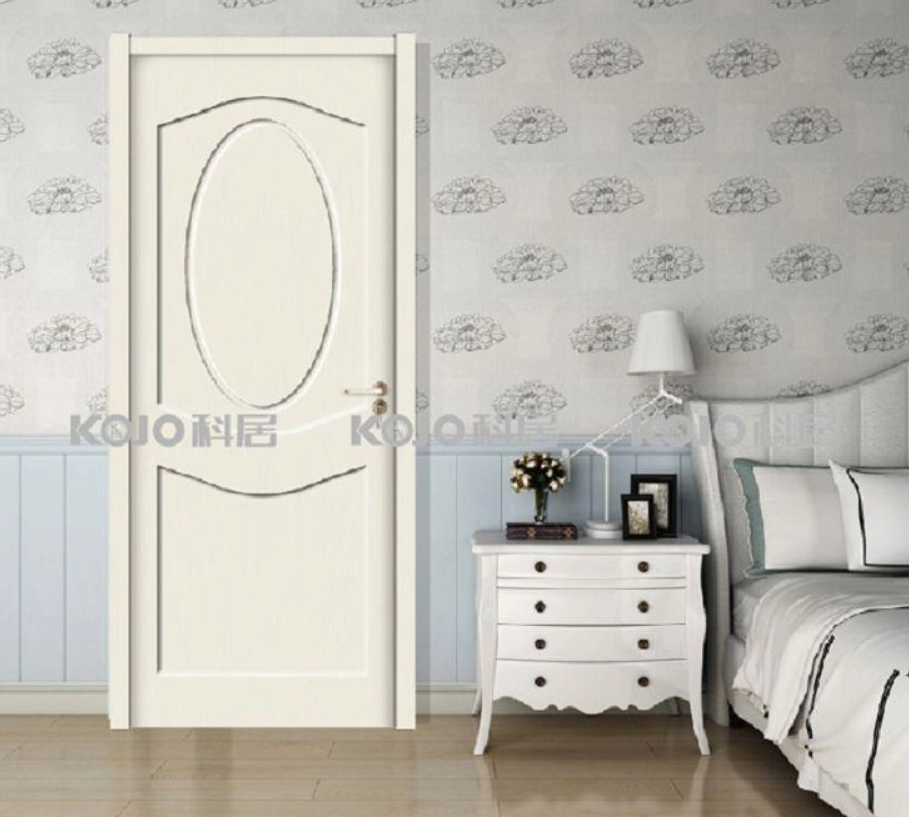
WPC is a composite material made from a blend of wood fibers (often recycled) and thermoplastic polymers, such as polyethylene or PVC. This combination creates a strong, durable material that mimics the appearance of wood but offers enhanced performance and sustainability. Unlike traditional wood, WPC does not require harmful adhesives, and it’s free of formaldehyde.
The manufacturing of WPC involves blending wood fibers with thermoplastic materials under heat and pressure. This process eliminates the need for adhesives that contain formaldehyde, which are commonly used in the production of traditional wood products. As a result, WPC doors do not release formaldehyde into the air, making them a safer choice for indoor environments.
WPC is considered an eco-friendly material because it makes use of recycled wood fibers and plastics. This reduces the demand for virgin wood, helping to conserve natural resources and protect forests. Furthermore, WPC doors are recyclable, making them a sustainable option at the end of their life cycle. Unlike traditional wood, WPC doors are free from toxic chemicals like formaldehyde, contributing to a healthier environment.
One of the primary reasons WPC doors emit less formaldehyde is because they are produced without the use of formaldehyde-based adhesives. Traditional wood doors, such as those made from plywood or MDF, typically rely on these adhesives to bind the wood fibers together. These glues gradually release formaldehyde into the air over time, contributing to indoor air pollution.
In contrast, WPC doors are manufactured using a heat-bonding process that eliminates the need for chemical adhesives. This results in a product that is virtually free from formaldehyde emissions, making it a safer option for indoor spaces.
WPC doors are designed to meet stringent formaldehyde emission standards such as E0 and E1. The E0 standard represents the lowest possible level of formaldehyde emissions, ensuring that WPC doors are virtually free from harmful gases. On the other hand, traditional wooden doors, particularly those made from composite wood products like MDF or plywood, often exceed these limits unless specifically treated.
Example:
WPC Doors: Compliant with E0/E1 standards (zero to low formaldehyde emissions).
Traditional Wooden Doors: Often exceed E1 emissions without proper treatment.
This difference in formaldehyde emissions makes WPC doors a healthier alternative, especially in spaces where air quality is a top priority.
Many WPC doors are certified by international standards such as CARB Phase II (California Air Resources Board), which ensures that they meet strict formaldehyde emission requirements. This certification further guarantees that WPC doors are safe for use in homes, schools, hospitals, and other sensitive environments.
WPC doors emit little to no volatile organic compounds (VOCs), including formaldehyde. This is a significant advantage over traditional wooden doors, which continuously release VOCs into the air. By choosing WPC doors, homeowners and businesses can drastically improve indoor air quality and reduce the risk of health issues associated with VOC exposure.
WPC doors are especially beneficial in environments where air quality is crucial. For homes with young children, elderly residents, or individuals with asthma, the absence of formaldehyde and other harmful chemicals in WPC doors makes them an excellent choice. These doors help maintain a safer and healthier indoor environment.
Using WPC doors can lead to long-term health benefits by minimizing the risk of respiratory problems and allergies caused by formaldehyde emissions. In the long run, choosing formaldehyde-free materials helps maintain clean, fresh indoor air, promoting overall well-being.
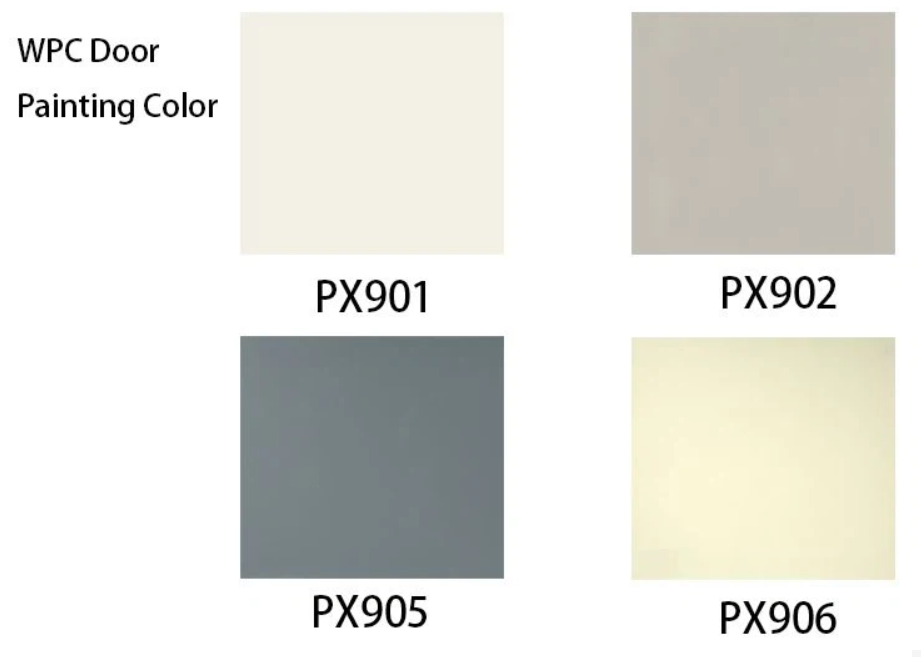
WPC doors are highly resistant to moisture, termites, and deformation, making them more durable than traditional wooden doors. While wood can warp, crack, or rot over time, WPC maintains its integrity, even in humid environments such as kitchens and bathrooms.
Example:
WPC Doors: Waterproof, termite-proof, and resistant to deformation.
Wooden Doors: Prone to swelling, rotting, and damage from pests if untreated.
WPC doors can mimic the appearance of natural wood with realistic grain textures, but they are more versatile and durable. Homeowners can choose from a wide range of finishes and colors without worrying about the door’s longevity or the need for constant maintenance, like sanding or refinishing.
WPC doors are a more sustainable option than traditional wood doors. They use recycled materials, reducing the need for new raw wood, which helps conserve forests. Additionally, WPC production generates fewer carbon emissions compared to the deforestation associated with manufacturing wooden doors.
WPC doors may have a higher initial cost compared to traditional wooden doors, but they offer significant long-term savings. Because WPC doors are low-maintenance, they do not require frequent refinishing, painting, or replacement like wooden doors. Over time, the savings from reduced maintenance make WPC doors a more economical choice.
Wooden doors often need additional treatments to reduce formaldehyde emissions, which can add to the cost. These treatments may include chemical coatings or special adhesives, increasing the upfront price and the environmental impact. WPC doors, however, do not require such treatments, making them a more cost-effective and sustainable choice.
| Feature | WPC Doors | Wooden Doors |
|---|---|---|
| Formaldehyde Emissions | Low to none (E0/E1 standards) | Higher, requires treatment |
| Durability | Moisture, termite, and warp-resistant | Prone to rotting, warping, and cracking |
| Eco-Friendliness | Made from recycled materials, sustainable | Deforestation, uses toxic adhesives |
| Maintenance | Low maintenance, no repainting needed | Requires frequent repainting, repairs |
| Indoor Air Quality | No harmful chemicals or VOCs | Releases formaldehyde and VOCs |
| Cost Efficiency | Higher initial cost, lower long-term maintenance | Lower initial cost, higher long-term maintenance |
| Aesthetic Flexibility | Mimics natural wood with better options | Limited to natural wood look |
| Fire Resistance | Flame-retardant | Flammable |
WPC doors provide a healthier and more sustainable alternative to traditional wooden doors. They emit significantly less formaldehyde and are free from harmful chemicals. These doors offer durability, flexibility, and better indoor air quality, making them ideal for sensitive environments. WPC doors are a smart investment for both health and cost-efficiency, especially for spaces concerned with air quality. Choose WPC doors for a safer, eco-friendly living or working environment, with KOJO’s durable and low-maintenance solutions leading the way.KOJO's products, including their wood plastic composite (WPC) doors, come with certified formaldehyde test reports. These reports ensure that their doors meet strict E0/E1 standards for formaldehyde emissions, guaranteeing a healthier indoor environment.
A: Wood plastic composite (WPC) is a blend of recycled wood fibers and thermoplastics, offering durability and resistance to formaldehyde emissions.
A: WPC doors are made without formaldehyde-based adhesives, unlike traditional wood doors that often use such adhesives, which release harmful VOCs.
A: Yes, WPC doors are eco-friendly, made from recycled materials and free from harmful chemicals like formaldehyde, contributing to sustainability.
A: WPC doors are durable, low-maintenance, formaldehyde-free, and offer better indoor air quality compared to traditional wooden doors.
A: WPC doors are more durable than wood doors, resistant to moisture, termites, and deformation, while wooden doors are prone to rotting and warping.


