Views: 0 Author: Site Editor Publish Time: 2025-12-11 Origin: Site
Bathrooms and kitchens, by nature, are prone to high levels of moisture and humidity. Whether it’s from steam, splashes, or condensation, maintaining the integrity of materials used in these areas is essential for long-lasting performance. When it comes to skirting boards, choosing the right material is critical. WPC (Wood-Plastic Composite) skirting boards, known for their excellent resistance to moisture and mold, are an ideal choice for such environments. In this article, we will explore why WPC skirting is perfect for bathroom and kitchen applications and provide practical tips for ensuring its moisture resistance.
Bathrooms and kitchens are two of the most moisture-prone areas in any home or commercial space. The combination of humidity, water splashes, and condensation creates an environment where materials need to be durable and resistant to water damage. Skirting boards in these areas are particularly vulnerable, as they form the junction between the floor and the wall, areas that can be exposed to water more frequently.
Skirting boards that absorb water can lead to a variety of problems. When moisture seeps into the material, it can cause the skirting to warp, swell, or even rot over time. This not only affects the appearance of the skirting but also reduces its structural integrity. The growth of mold and mildew is another risk associated with water absorption, which can lead to unpleasant odors and potential health hazards.
In these high-moisture areas, the need for durable, low-maintenance materials is essential. A moisture resistant skirting board helps mitigate these issues, offering long-lasting performance without the need for constant repairs or replacements.
Given the constant exposure to moisture, the material used for skirting boards in bathrooms and kitchens must be durable, hygienic, and easy to maintain. WPC skirting provides all these benefits. Its composite structure offers excellent water resistance while maintaining an attractive finish. Additionally, it is easy to clean and does not harbor bacteria or mold like some traditional materials, ensuring that your bathroom or kitchen remains both functional and sanitary.
WPC skirting boards are made from a blend of wood fibers and plastic polymers, which are fused together to create a strong, durable material. This composition gives WPC skirting the advantage of being non-porous, meaning it resists moisture absorption, unlike traditional wood skirting that can absorb water.
One of the key features of WPC skirting is its non-porous nature. The plastic polymers in the composite prevent water from being absorbed into the material, which is a major advantage in moisture-prone areas like bathrooms and kitchens. Unlike wood, which can warp, crack, or rot when exposed to moisture, WPC skirting remains stable and intact, even in damp environments. This ensures that your skirting board will maintain its shape and aesthetic appeal for years to come.
Moreover, WPC skirting boards are resistant to mold and mildew growth. Mold thrives in damp, poorly ventilated areas, and traditional wood materials are highly susceptible to mold infestations. WPC, however, is inherently resistant to mold and fungi, making it an ideal choice for areas that are exposed to frequent moisture, such as around showers or near sinks.
Another significant advantage of WPC skirting boards is their resistance to swelling and rot. Traditional wooden skirting boards can swell when exposed to moisture, causing unsightly gaps and deformation. Additionally, natural wood is prone to rotting and decaying over time, particularly in areas with high humidity. WPC skirting, on the other hand, is highly resistant to both swelling and decay. Its composite nature allows it to retain its shape and integrity, even when exposed to water over extended periods.
When installing skirting boards in bathrooms or kitchens, it’s crucial to take certain installation factors into account to ensure moisture resistance and long-term performance.
A key aspect of installing skirting in wet areas is ensuring a tight, secure fit between the skirting and the wall. Gaps or spaces between the skirting and the wall can allow water to seep in, compromising the skirting’s moisture resistance. Many WPC skirting boards come with a concealed-nail or hidden-fastener design that eliminates visible fasteners, offering a cleaner look and reducing the risk of water infiltration. This design also helps ensure a more secure installation, making it less likely for the skirting to shift or come loose over time.
When installing skirting boards near areas that are frequently exposed to water, such as showers or bathtubs, it’s important to properly seal the corners and joints. Sealing these areas prevents water from getting trapped behind the skirting, which could lead to mold growth or damage over time. Use high-quality caulk or sealant to create a watertight seal at the corners and joints. This will help maintain the integrity of the skirting and keep your bathroom or kitchen dry.
Another installation consideration is the height and shape of the skirting. In bathrooms and kitchens, it’s recommended to install skirting boards that are high enough to protect the lower part of the wall from water splashes. Skirting with a wider base or more rounded edges can help minimize direct contact with water. By selecting the appropriate height and shape for your skirting, you can further reduce the risk of water damage and ensure long-lasting performance.
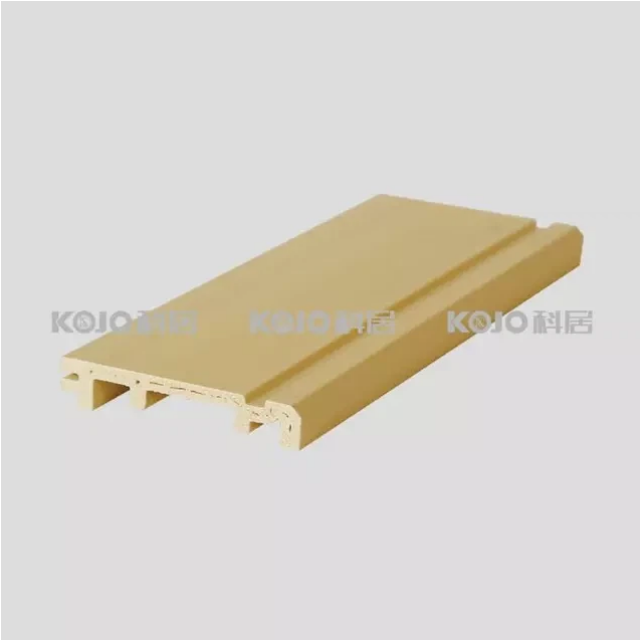
While WPC skirting is low-maintenance compared to traditional materials, there are still a few simple steps you can take to preserve its moisture resistance and extend its lifespan.
One of the easiest ways to maintain WPC skirting boards is to regularly wipe them down and dry any excess moisture. While the material is resistant to water, prolonged exposure to standing water can still lead to wear over time. Be sure to clean the skirting regularly, especially in areas where water splashes or condensation tends to collect. Keeping the skirting dry and free from moisture will help maintain its integrity and appearance.
When cleaning WPC skirting, it’s important to avoid using harsh chemicals or abrasive cleaners that could damage the surface coating. Instead, opt for mild soap and water or specialized cleaning products designed for WPC materials. Regular cleaning with gentle products will preserve the skirting’s surface and prevent deterioration.
To ensure that your moisture resistant skirting board continues to perform at its best, it’s a good idea to periodically inspect the joints and sealant. Over time, sealants can degrade, especially in areas exposed to water regularly. Check for any signs of wear or cracks in the sealant and reapply it as needed. By maintaining the sealant, you can prevent water from seeping behind the skirting and causing damage.
KOJO’s WPC skirting boards are made from a high-density composite material that meets environmental standards, making them the perfect choice for moisture-prone areas like bathrooms and kitchens. Our skirting boards are designed to offer superior moisture resistance, durability, and aesthetic appeal, ensuring that they stand up to the test of time.
Our WPC skirting boards are made from high-quality composite materials that provide exceptional moisture resistance, ensuring they perform well in wet environments. The high-density composition allows for greater stability and durability, so your skirting boards won’t warp or swell, even in the most humid conditions.
KOJO’s WPC skirting features a smooth, modern finish that enhances the aesthetic appeal of any bathroom or kitchen. The hidden fastener design provides a sleek, clean look while ensuring a secure fit. Our skirting is not only functional but also stylish, making it an ideal choice for contemporary spaces.
Our WPC skirting is resistant to mold, insects, and fire, making it a safe and low-maintenance option for your bathroom or kitchen. With its long-lasting durability and minimal upkeep requirements, KOJO’s skirting boards provide reliable performance, giving you peace of mind that your investment will last for years to come.
Choosing the right WPC skirting for your bathroom or kitchen is crucial for maintaining the integrity and appearance of your space. With its moisture resistance, durability, and low-maintenance benefits, WPC skirting is the superior choice for wet environments. KOJO’s high-quality WPC skirting boards offer the perfect balance of form, function, and longevity, ensuring that your space remains beautiful and moisture-free for years to come.
For more information on our WPC skirting boards, contact us today!
Q1: Is WPC skirting suitable for use in bathrooms and kitchens?
A1: Yes, WPC skirting is ideal for use in moisture-prone areas such as bathrooms and kitchens due to its superior moisture resistance and durability.
Q2: How can I maintain WPC skirting in a bathroom?
A2: Regularly wipe and dry the skirting, avoid prolonged water pooling, and periodically inspect the joints and sealant to ensure long-lasting moisture resistance.
Q3: Why is moisture resistance important in skirting for wet areas?
A3: Moisture resistance helps prevent warping, swelling, and mold growth, ensuring that the skirting remains durable and functional in damp environments.
Q4: What makes KOJO’s WPC skirting ideal for bathrooms and kitchens?
A4: KOJO’s WPC skirting is made from high-density, moisture-resistant materials, with a sleek finish and hidden fasteners, offering both aesthetic appeal and long-lasting performance in wet zones.


