
Views: 0 Author: Site Editor Publish Time: 2026-06-27 Origin: Site


Commercial interior designers face a persistent, complex challenge. They must constantly balance aesthetic appeal against structural durability. They also navigate strict moisture resistance requirements and rigorous weight limitations. Natural wood and traditional plywood frequently fail in these demanding scenarios. They remain highly susceptible to moisture damage and dangerous mold growth. Termite degradation also destroys these traditional materials over time. Conversely, solid synthetic alternatives present their own hurdles. They are usually too heavy for standard framing. Furthermore, fabricators find them notoriously difficult to machine.
Enter the WPC foam board. This highly engineered material serves as a definitive solution. It perfectly combines the familiar workability of wood. Simultaneously, it delivers the unmatched physical resilience of polymers. Manufacturers optimize this composite specifically for challenging interior spaces. In this comprehensive guide, you will learn how this material resolves common architectural failures. We will explore its core composition, diverse processing capabilities, and optimal installation environments.
Engineered Stability: WPC balances a precise ratio of polymers and wood fibers to completely eliminate rot, mold, and termite risks.
Versatile Processing: Functions as a standalone decorative panel or a high-adhesion substrate for PETG and HPL lamination.
Proven Compliance: Meets international standards for fire retardancy (ASTM E84-17) and chemical safety (RoHS, REACH).
Measurable Sustainability: Utilizing recycled and biomass materials (like rice husk or bamboo charcoal), replacing traditional timber at a scalable rate.
Commercial spaces demand materials built for absolute endurance. Natural wood fails repeatedly in humid or high-traffic environments. It absorbs ambient moisture rapidly. This continuous absorption disrupts the cellular structure of the timber. As a result, users experience severe structural rotting and unsightly panel warping. Maintenance teams spend countless hours responding to these material failures. They must constantly replace degraded wall panels. They regularly repair swollen cabinetry.
The WPC advantage operates on a clear problem-solution framework. Introducing a highly stable polymer matrix completely resolves these physical pain points. The plastic component creates an impenetrable barrier against environmental moisture. Mold spores cannot root. Termites cannot consume the synthetic core. Most importantly, you never sacrifice the tactile benefits of wood. The material maintains a striking visual warmth. Designers retain the organic aesthetic they desire.
Manufacturers particularly value its excellent weight-to-strength ratio. Integrating a lightweight WPC board drastically reduces the structural load. It minimizes the physical strain on interior architectural framing. This weight reduction also transforms logistics. Modular furniture manufacturers notice immediate improvements. Shipping requires less energy. On-site handling becomes significantly easier for installation crews. They maneuver large panels safely and efficiently.
Material excellence begins strictly at the molecular level. Industry-standard WPC relies on a highly precise optimal formulation ratio. Manufacturers blend 70% virgin polymer directly into the mix. They then integrate 15% wood or biomass fiber. Factories frequently use rice husk powder for this organic component. The final 15% consists of specialized chemical additives. These elements lock the structure together.
The chemical additives perform very specific functions:
Coupling Agents: They bond the organic wood fibers seamlessly to the plastic matrix.
Foaming Agents: They create the microscopic cellular core to reduce overall weight.
UV Stabilizers: They prevent surface degradation and color fading under indoor lighting.
Let us examine the key dimensional metrics. Buyers can specify exact parameters for varying load-bearing applications. Standardizing these metrics ensures architectural consistency across large projects.
Dimensional Metric |
Standard Range |
Ideal Application Focus |
|---|---|---|
Thickness |
3mm to 30mm |
Use 3mm for cabinet backing. Specify 30mm for load-bearing shelving. |
Density |
0.45 to 0.9 g/cm³ |
Select lower density for ceiling cladding. Use higher density for modular cabinetry. |
Physical resilience sets this composite apart from traditional particleboard. It demonstrates exceptionally high indentation resistance. It withstands daily impact in busy corridors effortlessly. Scratch resistance protects high-touch areas from visible wear. Furthermore, the polymer-wood matrix offers a significantly larger nail and set screw capacity. Screws bite into the dense core firmly. They do not strip the material. They do not tear the surrounding fibers.
Best Practices: Always match the board density to your specific fastener type. High-density boards require slightly slower drilling speeds to prevent heat buildup.
Fabricators demand materials they can trust on the shop floor. WPC delivers advanced workability. You can treat it exactly like traditional timber. Workers easily saw, nail, sand, and drill it. Standard woodworking tools cut through the core smoothly. CNC-machining yields crisp, clean edges without splintering. It even features unique thermoformable properties. Controlled heat allows you to bend panels. This facilitates stunning curved architectural designs.
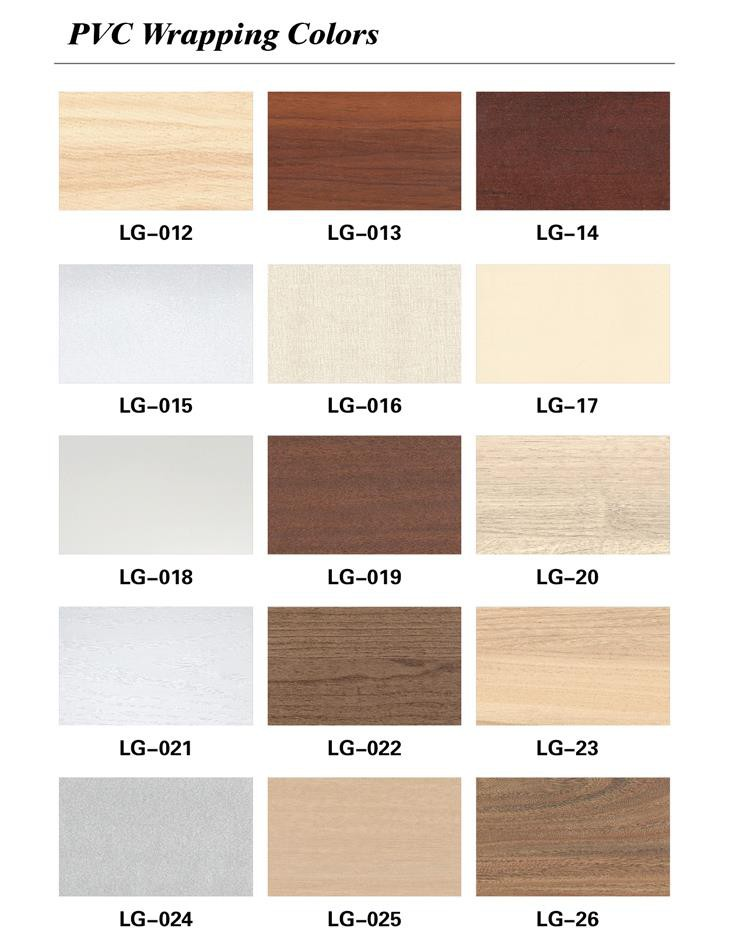
Deep-processing enterprises recognize WPC as the ultimate lamination substrate. A properly sanded finish leaves the surface smooth. It remains non-porous and remarkably rigid. Adhesives bond to it flawlessly. This makes it an exceptional base for laminating various films. You can securely apply PVC films and PETG. High-Pressure Laminates (HPL) also adhere perfectly. The substrate prevents any telegraphing of core imperfections through the decorative layer.
Modern surface treatments create an incredibly versatile WPC decorative board. Visual and tactile trends continue to evolve rapidly. Designers now select from a massive variety of finishes.
3D Wood Grain: Mimics the deep tactile ridges of natural oak or walnut.
Fabric Textures: Offers a soft, woven aesthetic for hospitality headboards.
Metal Co-extrusion: Provides a sleek, industrial finish for modern offices.
Bamboo Charcoal Integration: An emerging trend utilizing charcoal for enhanced interior air quality.
Common Mistakes: Never attempt to thermoform panels using direct, localized flame. Always use an industrial heating blanket or an evenly controlled convection oven. This prevents surface scorching.
High-moisture environments require flawless material specification. Modular cabinetry and furniture rely heavily on WPC engineering. Kitchen and bathroom vanities face constant humidity. They endure frequent water spills daily. In these specific spaces, a waterproof foam board is absolutely mandatory. It actively prevents structural swelling. It keeps cabinet doors perfectly aligned. Wood products simply cannot survive these conditions long-term.
Wall cladding and ceilings also benefit immensely from this technology. Commercial spaces increasingly shift toward highly efficient installation methods. Contractors typically compare two dominant approaches for the interior WPC panel. Interlocking systems provide rapid, seamless alignment. They hide all fasteners completely behind the panel edges. Glue down methods offer permanent, flush adhesion against existing drywall. Both methods turn standard walls into robust architectural features.
Extreme moisture environments highlight niche, yet critical, B2B applications. Marine interior fittings demand rigorous performance standards. Luxury yachts utilize these panels to combat salty, humid air. Standard wood deteriorates quickly under marine salt spray. Indoor pool enclosures also require this level of protection. Hot tub surrounds benefit similarly. The material never rots. It handles intense water exposure easily.
Building codes mandate strict adherence to safety protocols. Fire and chemical compliance remain non-negotiable for commercial projects. Procurement teams must look for specific, verified testing standards. ASTM E84-17 certification ensures essential fire retardancy. It measures and limits the flame spread index. GB 18580-2001 confirms exceptionally low formaldehyde emissions. This protects indoor air quality. RoHS and REACH certifications guarantee the material contains no hazardous heavy metals.
Verifiable sustainability matters deeply in modern construction. We frame the eco-friendly foam board through hard, data-driven metrics. Vague greenwashing claims hold no value. True sustainability stems from utilizing organic biomass fillers. Factories incorporate agricultural byproducts effectively. They use straw and rice husk powder.
This process diverts massive amounts of waste from landfills. The industry benchmarks show remarkable conservation data. Producing just 10 WPC boards effectively saves one mature tree. This measurable impact helps corporations meet their Environmental, Social, and Governance (ESG) goals.
What to watch out for: Ensure the factory provides test reports matching the exact thickness you intend to order. Fire retardancy performance can vary slightly between a 5mm and a 20mm board.
Sourcing the right material requires an analytical, evidence-based approach. You must first choose the correct manufacturing process. Manufacturers generally offer two main production methods.
Process Type |
Surface Characteristic |
Best Use Case |
|---|---|---|
Celuka Foam Board |
Smooth, hard outer skin. Slightly less rigid than co-extruded. |
General cabinetry, standard wall paneling, and interior signage. |
Co-extruded Foam Board |
Highest surface strength. Exceptional scratch resistance. |
High-traffic commercial corridors, school walls, and hospital wainscoting. |
Color consistency serves as another critical evaluation metric. Assess a supplier's ability to maintain strict color uniformity across massive production runs. Standard bases typically include Yellow Wood and Brown Wood tones. You should also verify their capacity for precise Pantone matching. Ask for production samples from three different historical batches. Compare them under identical lighting.
Assessing batch reliability prevents massive project delays. We recommend specific steps before authorizing bulk orders:
Request comprehensive, unedited specification sheets directly from the manufacturer.
Order sample boards to test dimensional stability under expected heat conditions.
Inspect the edge density carefully. It must show uniform foaming without large internal voids.
Test screw retention on the physical sample. Drive fasteners near the edge to check for splitting.
Commercial interiors demand uncompromising performance. The WPC foam board is not just a cheap substitute for timber. It represents a necessary architectural upgrade. Moisture-prone, modern environments require this exact level of high durability. The low maintenance requirements ensure your spaces look pristine for decades. You eliminate the endless cycle of sanding, treating, and replacing degraded wood.
Take decisive action to integrate this advanced material into your next project. We highly encourage B2B buyers, commercial contractors, and interior designers to move forward. Request physical material samples directly from trusted manufacturers. Review the specific density specifications aligned with your custom tooling. Finally, verify all supplier compliance certifications. Doing so guarantees your project remains safe, sustainable, and structurally sound.
A: Yes. However, you must specify sanded or specially treated surfaces. A standard glossy finish repels paint. Sanded surfaces provide the necessary mechanical tooth for optimal primer and paint adhesion. Always use polyurethane-based or acrylic paints designed for polymer substrates.
A: Absolutely. The synthetic polymer matrix creates an impenetrable barrier. Termites and other wood-boring insects cannot digest the plastic encapsulating the wood fibers. This prevents all insect-related degradation, ensuring long-term structural integrity in vulnerable climates.
A: It performs exceptionally well. WPC features a completely non-absorbent nature. It will not warp, swell, or rot, even in direct, continuous contact with water. This makes it ideal for marine environments, indoor pools, and bathroom vanities.
A: No. Machining WPC does not require specialized, proprietary equipment. Standard carbide-tipped woodworking tools are entirely sufficient. You can use standard routers, table saws, and drills. This drastically lowers the barrier to adoption for traditional cabinet makers and carpenters.


