Views: 0 Author: Site Editor Publish Time: 2025-12-05 Origin: Site
As the demand for environmentally-friendly and sustainable building materials continues to grow, more and more manufacturers are incorporating recycled materials into their products, including WPC (Wood-Plastic Composite) skirting boards. While using recycled plastic helps reduce waste and supports sustainability, it is important for consumers and designers to be able to detect low-quality or poorly recycled plastic in WPC skirting. Poor quality recycled plastic can negatively impact the performance and durability of the skirting. This article will guide you through how to identify recycled plastic in WPC skirting boards and ensure that you are getting a high-quality product that meets the standards of both performance and sustainability. KOJO, a leading manufacturer of WPC skirting boards, prides itself on offering products made with the highest quality materials, ensuring durability and environmental responsibility.
Recycling plays a significant role in reducing environmental impact. By incorporating recycled plastic into WPC skirting boards, manufacturers can contribute to the circular economy, reduce waste, and minimize the demand for virgin plastic. WPC products that contain recycled materials help conserve resources, offering a more sustainable option for environmentally-conscious buyers.
However, recycled plastic can vary greatly in quality. While using recycled content is an excellent way to reduce environmental impact, poor-quality recycled plastic can affect the durability, water resistance, and overall performance of WPC skirting boards. Low-quality recycled plastic may contain contaminants, such as dirt or chemicals, which could degrade the material’s structural integrity and cause premature wear and tear. Therefore, it is important to ensure that the WPC skirting you choose is made with high-quality recycled plastic that maintains the same level of performance as virgin plastic.
One of the first steps in detecting low-quality recycled plastic in WPC skirting is to perform a visual and tactile inspection. By carefully examining the product, you can identify potential signs of poor-quality materials.
A high-quality WPC skirting board should have a smooth, uniform surface that replicates the appearance of wood. When inspecting the skirting, check for any visible defects, such as bubbles, cracks, or inconsistencies in the wood-grain texture. Poor-quality recycled plastic often results in a less consistent finish, with uneven textures or visible imperfections. High-quality WPC skirting from KOJO, on the other hand, is designed to have a smooth, even finish that mimics the natural look of wood.
Another key indicator of WPC skirting quality is its weight and density. Recycled plastic tends to be lighter and less dense than virgin plastic, and poor-quality recycled plastic can further reduce the material’s overall density. When inspecting a WPC skirting board, hold it in your hands and check for a solid, consistent feel. If the skirting feels overly light or hollow, it may indicate that the material is of low quality. High-quality WPC skirting boards should have a substantial, sturdy weight that reflects the use of premium materials.
When examining the edges of the WPC skirting, check for clean cuts with no visible loose fibers or powdery plastic residue. Poor-quality recycled plastic may break apart or leave behind a dusty residue when cut, which can negatively affect the skirting's appearance and performance. High-quality WPC skirting from KOJO features clean, smooth cuts with no loose fibers, ensuring a polished and durable finish.
To ensure the quality of the WPC skirting, it’s important to inquire about the material composition and the certifications that the manufacturer adheres to. A trustworthy supplier, such as KOJO, should provide transparency regarding the materials used in their products and offer certification for the environmental safety and performance standards met by their WPC skirting boards.
Ask the supplier about the specific composition of the WPC skirting board, particularly the percentage of wood fibers and plastic. WPC products with a higher percentage of wood fibers tend to perform better and have a more natural look. Recycled plastic in WPC skirting should also be balanced to maintain the material’s structural integrity and long-term durability.
Another essential check is to request certifications related to environmental safety. Formaldehyde and emission standards are critical when it comes to indoor air quality. If the WPC skirting boards contain recycled plastic, it is especially important to verify that they meet the necessary environmental standards, ensuring that the product is free from harmful chemicals that could affect your health.
In some markets, recycled plastic products are required to meet specific certification standards. Ask the supplier for proof that the WPC skirting boards meet these standards, which ensure that the recycled materials used are of high quality and do not negatively impact the skirting’s performance. Recycled plastic that adheres to these standards is more likely to offer the same durability, water resistance, and performance as virgin plastic.
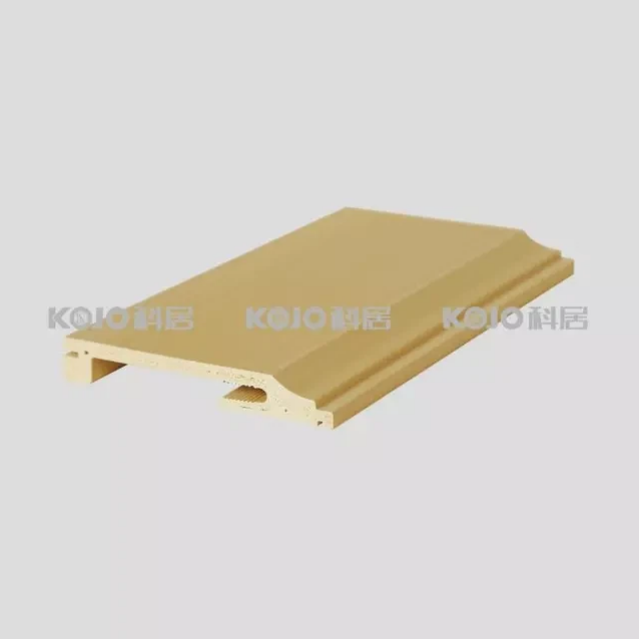
One of the most important factors in evaluating WPC skirting quality is moisture resistance. Since WPC skirting is often used in areas prone to humidity, such as bathrooms and kitchens, it is crucial that the material can withstand exposure to moisture without swelling, warping, or degrading.
High-quality WPC skirting boards, especially those made with polymer-dominant materials, should resist moisture and maintain their shape and performance even in damp environments. To test this, simply expose the skirting to moisture or humidity for a short period and check for any signs of deformation or swelling. High-quality WPC skirting will remain stable and unaffected by moisture.
An easy way to test moisture resistance at home is to place a piece of WPC skirting in a damp environment or expose it to a small amount of water. After a few hours, inspect the skirting for any visible deformations, warping, or swelling. If the skirting remains intact without any noticeable changes, it indicates that it is made from high-quality, moisture-resistant materials.
When inspecting WPC skirting, certain red flags may indicate the use of low-quality or poorly recycled materials. These red flags should be taken into consideration before making a purchase.
As mentioned earlier, if the WPC skirting feels excessively light or hollow, it could be a sign that the recycled plastic used is of poor quality. This may result in a weaker structure that is more prone to damage or deformation over time.
Another warning sign of low-quality WPC skirting is visible texture inconsistency, rough cut edges, and a poor finish. High-quality WPC skirting should have a smooth, consistent texture and clean edges with no visible defects.
A strong plastic smell emanating from the skirting could indicate that low-grade recycled plastic has been used in its production. This odor may be a sign of impurities or contaminants in the material, which could affect both the aesthetic and functional performance of the skirting.
Lastly, if a supplier is unwilling or unable to provide detailed material specifications or certifications, it could be a sign of low transparency and poor-quality materials. Reliable suppliers like KOJO are happy to share this information, ensuring that their products meet high standards of quality and safety.
Detecting recycled plastic in WPC skirting boards requires a combination of visual inspections, tactile checks, and technical inquiries. By being proactive and asking the right questions, you can ensure that you’re purchasing high-quality WPC skirting that will provide long-term performance and aesthetic appeal. KOJO, as a leading manufacturer of WPC products, offers high-quality skirting boards that are made from durable materials, ensuring that they meet environmental standards and provide reliable performance. For more information on our WPC skirting boards, contact us today!
Q1: How can I tell if WPC skirting is made from low-quality recycled plastic?
A1: Look for signs such as overly light weight, hollow feel, rough cut edges, visible texture inconsistency, or a strong plastic smell, which may indicate low-quality recycled plastic.
Q2: What certifications should I ask for when purchasing WPC skirting?
A2: Request certifications for environmental safety, such as formaldehyde and emission compliance, as well as evidence that the product meets relevant recycled-plastic standards.
Q3: Does WPC skirting perform well in high-moisture areas?
A3: High-quality WPC skirting, especially polymer-dominant products, resists moisture, avoiding warping or swelling even in damp environments.
Q4: Why is it important to check the material composition of WPC skirting?
A4: Understanding the composition helps ensure the skirting meets your durability, moisture resistance, and aesthetic needs. Low-quality recycled plastic can compromise the product’s performance.


