Views: 0 Author: Site Editor Publish Time: 2025-10-30 Origin: Site
Are you looking for a material that combines durability with sustainability? Wood Plastic Composite (WPC) might be the answer. It offers an eco-friendly solution for those seeking low-maintenance, long-lasting materials for various applications.
In this article, we will explore how WPC works, its environmental benefits, and key factors to consider when choosing sustainable WPC for your next project. By the end, you'll understand how to make informed decisions when selecting the right WPC for your needs.
Wood Plastic Composite (WPC) is made by blending wood fibers (often recycled wood waste) with plastic polymers (such as recycled HDPE or PVC). This mixture creates a material that combines the natural aesthetics of wood with the durability and strength of plastic. The manufacturing process ensures that WPC can mimic the appearance of wood, making it an ideal solution for applications like decking and fencing.
The use of recycled materials plays a significant role in making WPC sustainable. Wood fibers are often sourced from waste products like sawdust, reducing the need for new timber. Similarly, the plastic components in WPC are frequently made from recycled plastics, which helps keep waste out of landfills.
The environmental benefits of WPC are significant. The use of recycled wood fibers and plastics reduces the demand for virgin materials, which helps preserve forests and decrease plastic pollution. Furthermore, the energy required for producing WPC is generally lower than that for producing pure plastic or untreated wood.
WPC also offers lower carbon emissions due to the recycling of materials. Since it is made from waste products, it reduces the amount of discarded material that would otherwise end up in landfills.
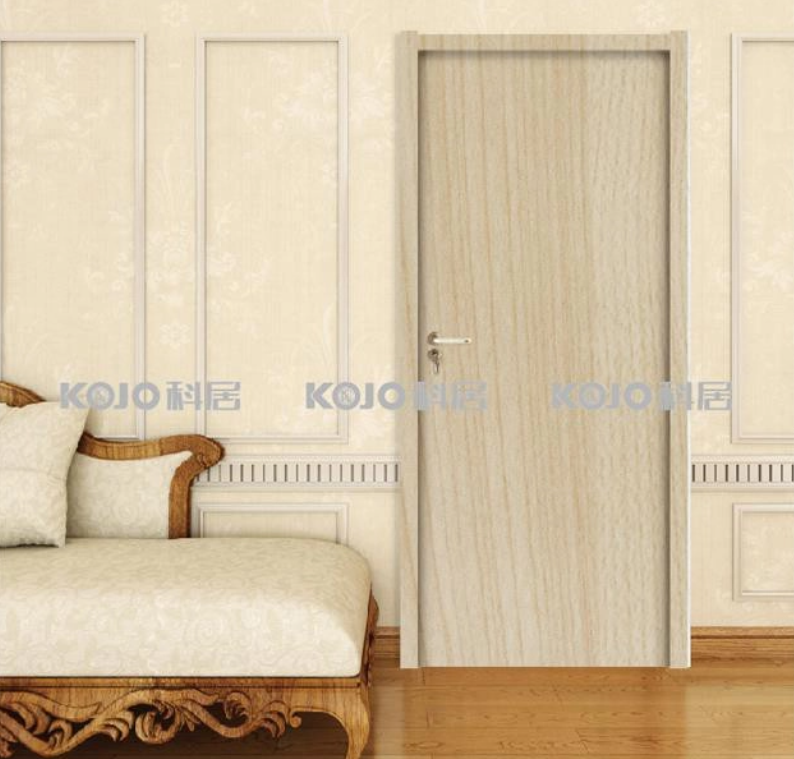
When choosing WPC, it’s essential to consider whether the material is made from recycled or virgin plastic. WPC made from recycled plastic is significantly more sustainable because it reduces the demand for new plastic production. This process not only saves energy but also prevents further environmental damage caused by plastic waste.
WPC that uses recycled wood waste is equally important. By utilizing wood that would otherwise be discarded, manufacturers reduce the need to harvest new trees. This contributes to a decrease in deforestation, preserving natural habitats.
The sustainability of WPC is heavily influenced by the source of the wood used in production. Sustainable forestry practices, such as those certified by the Forest Stewardship Council (FSC) or the Programme for the Endorsement of Forest Certification (PEFC), ensure that the wood is harvested responsibly.
Using wood waste from sawmills or other industries further enhances the sustainability of WPC. This avoids the environmental cost of logging and ensures that the material is being used efficiently. On the other hand, sourcing wood from unsustainable practices can negate the environmental benefits of WPC.
WPC manufacturers often use additives to improve the product’s performance, such as UV stabilizers, colorants, and binders. It's essential to choose WPC products with natural or eco-friendly additives, as some synthetic additives may contain harmful chemicals, such as formaldehyde, which can be released over time. These chemicals can contribute to air pollution and health risks.
Opting for WPC with eco-friendly additives ensures that the material remains safe for both the environment and human health.
| Feature | Description |
|---|---|
| Material | Made from recycled wood fibers and plastic polymers. |
| Environmental Impact | Reduces waste and supports sustainability by using recycled materials. |
| Formaldehyde Emissions | Low formaldehyde emissions, ensuring a healthier indoor environment. |
| Durability | Highly durable, resistant to weather, moisture, and pests. |
| Maintenance | Low-maintenance, requires no painting, staining, or sealing. |
| Eco-Friendly Certifications | Meets green building standards for sustainable construction. |
| Applications | Ideal for decking, fencing, furniture, and indoor uses like doors. |
The manufacturing process of WPC involves a considerable amount of energy. However, manufacturers can minimize environmental impact by using renewable energy sources like solar, wind, or hydroelectric power. Using energy-efficient machinery and processes also helps reduce the carbon footprint of WPC production.
One of the advantages of WPC over traditional wood is its lower manufacturing energy consumption. This is particularly true when recycled plastic is used, as it requires less energy to process than virgin plastic.
A sustainable WPC production process minimizes waste by recycling and reusing materials wherever possible. Some manufacturers have adopted zero-waste production systems, ensuring that no material is discarded. For instance, any excess plastic or wood fibers can be recycled back into the production line.
By focusing on waste reduction and resource optimization, the manufacturing of WPC becomes significantly more eco-friendly.
To identify truly sustainable WPC products, look for certifications that confirm their environmental credentials. Certifications such as FSC or PEFC for wood sourcing, and Energy Star for energy-efficient manufacturing, indicate that the product meets high sustainability standards.
These certifications help consumers make informed decisions and ensure that the WPC products they choose contribute positively to environmental conservation.
One of the key sustainability factors for WPC is its durability. A longer lifespan means fewer replacements and less waste over time. WPC’s resistance to weather, pests, and UV rays ensures that it lasts longer than traditional wood, making it a more sustainable option in the long run.
For instance, WPC decking can last up to 30 years with minimal maintenance, while traditional wood decking may require frequent repairs or replacements.
At the end of its life, WPC can be recycled, reducing its environmental impact. Some types of WPC, especially those made with 100% bio-based materials, are biodegradable, offering an even more eco-friendly option.
Choosing WPC products that can be recycled or biodegrade naturally ensures that the material does not contribute to landfill waste after use.
While sustainable WPC may come with a higher upfront cost compared to traditional wood or vinyl materials, it offers long-term savings due to its low maintenance requirements and durability. Over time, the cost of upkeep for WPC is significantly lower because it doesn’t need to be painted, stained, or sealed like wood.
Investing in sustainable WPC products can increase the value of your property. Potential buyers often appreciate eco-friendly features that reduce maintenance and offer long-term durability. Additionally, using sustainable materials can enhance a home’s marketability, as more consumers are looking for environmentally responsible homes.
WPC is an excellent choice for outdoor applications like decking and fencing because of its durability and resistance to the elements. It can withstand harsh weather conditions, including rain, snow, and UV rays, without warping or fading.
It is also resistant to termites, a common problem with natural wood, making it ideal for garden fences and patios.
WPC is increasingly being used indoors for applications like furniture, flooring, and cabinetry. Its moisture resistance makes it an ideal material for bathrooms, kitchens, and basements where traditional wood may suffer from rot or mold.
WPC offers a stylish, eco-friendly solution for interior design while maintaining long-term durability and minimal upkeep.
Choosing sustainable Wood Plastic Composite (WPC) is a smart choice for reducing environmental impact while maintaining durability and style. By focusing on factors like material sourcing, energy efficiency, and recyclability, you can select eco-friendly WPC products for your projects. WPC offers long-lasting durability, low maintenance, and environmental benefits, making it a great investment.
For those seeking high-quality, sustainable WPC solutions, KOJO provides excellent products that combine eco-friendliness and strength, ensuring value for your construction or home improvement projects. KOJO's WPC products are an excellent choice for environmentally conscious consumers. Made from recycled wood fibers and plastic polymers, these products not only contribute to reducing waste but also offer exceptional durability and low maintenance.
A: Wood Plastic Composite (WPC) is a sustainable material made by combining recycled wood fibers with plastic polymers, offering durability and low maintenance.
A: Look for WPC made from recycled materials, certified wood sources (like FSC), and eco-friendly additives. Durability and recyclability are also important.
A: Sustainable WPC doors are durable, low-maintenance, moisture-resistant, and eco-friendly, making them a great choice for both residential and commercial applications.
A: Yes, WPC reduces plastic waste by using recycled materials and helps conserve forests by using wood fibers from sustainable sources.
A: Sustainable WPC typically costs more upfront than traditional wood, but it saves on maintenance and replacement costs over time, offering better long-term value.


