Views: 0 Author: Site Editor Publish Time: 2025-12-04 Origin: Site
When it comes to choosing the right skirting for your interior design projects, the material plays a crucial role in both functionality and aesthetics. One of the most popular options today is WPC (Wood-Plastic Composite) skirting. These boards provide an ideal blend of form and function, offering both durability and an attractive finish. However, within the WPC category, there are different material compositions, such as bamboo and polymer, which bring their own set of benefits and drawbacks. This article will explore the differences between bamboo and polymer-based WPC skirting, helping you make an informed decision for your next design project. KOJO, a leading manufacturer of high-quality WPC skirting boards, offers products that combine the best of both materials to suit diverse design needs.
The material composition of WPC skirting boards is integral to both their aesthetic appeal and practical performance. Different materials behave differently in various environmental conditions, making it essential to consider the material’s behavior, durability, and sustainability before making a purchase. WPC skirting boards are generally made from a blend of wood fibers and plastic, but the percentage and type of fibers and plastic can significantly influence the board's properties.
When comparing bamboo fiber-based WPC skirting to polymer-dominant WPC skirting, durability and stability are the first factors that come to mind. Bamboo fiber is known for its strength and resilience, giving it an edge in terms of aesthetic appeal due to its natural wood-like look. However, bamboo-based skirting can be less durable in the long run because bamboo is a natural material and, when exposed to moisture, it can swell and warp. This material may require additional care in areas with high humidity or fluctuating temperatures, such as bathrooms and kitchens.
On the other hand, polymer-based WPC skirting provides superior durability. The plastic components used in polymer WPC are highly resistant to moisture, mold, and mildew, making them the ideal choice for damp environments. These skirting boards are much more stable and less likely to warp or swell compared to bamboo fiber-based products. This enhanced stability is particularly beneficial in areas with underfloor heating or high foot traffic.
In places like bathrooms, kitchens, and basements, moisture resistance is a crucial factor when selecting skirting boards. Bamboo fiber-based WPC skirting boards offer some level of resistance to moisture, but they are still susceptible to water absorption, especially if they are not properly sealed or maintained. Over time, this can lead to swelling, deformation, and discoloration. In contrast, polymer-based WPC skirting boards are non-porous, meaning they are far more resistant to water damage and can withstand damp conditions much better.
For example, KOJO's polymer-based WPC skirting boards are designed specifically to resist moisture and humidity, offering an optimal solution for areas exposed to frequent moisture, such as bathrooms and kitchens. The stability of the polymer matrix ensures that the skirting will maintain its appearance and performance over time, without the risk of swelling or mildew.
Bamboo-based WPC skirting boards offer a natural, aesthetically pleasing appearance that closely resembles traditional wood. Bamboo’s unique grain pattern provides a warm, inviting feel to any room, making it a popular choice for eco-conscious homeowners who want a sustainable alternative to natural wood. Bamboo is also a rapidly renewable resource, which helps reduce the environmental impact compared to conventional hardwoods, making it an eco-friendly option for sustainable interior design.
However, bamboo fiber-based WPC skirting does have its drawbacks. While it may look great in the short term, it is more vulnerable to moisture, which can lead to warping and swelling over time. Bamboo fibers are porous, and excessive exposure to water can cause them to lose their structural integrity. This means that bamboo-based skirting may not be the best choice for areas with high humidity, where moisture resistance is a priority.
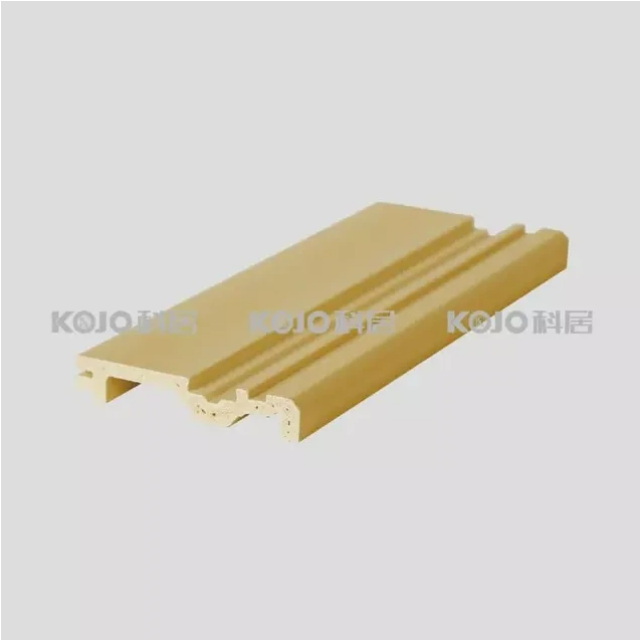
Polymer-dominant WPC skirting boards excel in durability, moisture resistance, and low maintenance. The primary advantage of using polymer in the skirting composition is its ability to resist moisture, mold, and pests. The plastic components in polymer-based WPC are non-porous and highly resistant to water damage, making them perfect for environments that experience frequent temperature fluctuations and high humidity, such as kitchens, bathrooms, and basements.
Additionally, polymer-based WPC skirting is more stable than bamboo, making it a better option for areas with underfloor heating or areas that undergo frequent temperature changes. While it lacks the natural look and feel of bamboo, polymer WPC can still be manufactured in a variety of colors and textures to match a wide range of interior styles.
Despite its durability, the main disadvantage of polymer-based WPC skirting is its environmental impact. Although many manufacturers, including KOJO, use recycled plastics in their production processes to reduce waste, the use of synthetic polymers still has a higher environmental cost compared to natural bamboo fiber.
The visual appeal of your skirting board can significantly impact the overall design of a room. Bamboo fiber-based WPC skirting provides a more natural, wood-like appearance that can seamlessly blend with traditional or rustic interior styles. Its unique grain pattern and warm, earthy tones make it an attractive option for spaces where a more organic look is desired.
Polymer-based WPC skirting boards, on the other hand, offer more flexibility in terms of design. They can be manufactured in a wide variety of colors, finishes, and textures, making them ideal for modern or minimalist interiors. The flexibility in design options allows polymer WPC skirting to complement a wide range of flooring styles, from sleek concrete to polished hardwood floors.
For example, KOJO’s polymer-based WPC skirting boards come in a variety of sleek, clean finishes that are perfect for contemporary spaces. These skirting boards are also customizable in color and texture, allowing them to suit various design schemes.
Both bamboo and polymer-based WPC skirting boards offer long-term durability with minimal maintenance compared to traditional wood skirting. However, their real-world performance varies depending on the material composition.
Bamboo-based WPC skirting boards require more attention to maintenance. Over time, the natural bamboo fibers can degrade due to moisture absorption, making it necessary to clean the boards regularly and ensure they are properly sealed. If maintained properly, bamboo skirting can last for many years, but it may require more frequent upkeep, especially in high-humidity environments.
Polymer-based WPC skirting boards, however, are virtually maintenance-free. Their resistance to moisture, decay, and pests ensures that they will retain their appearance and function for many years without the need for frequent cleaning or repairs. This low-maintenance aspect makes polymer-based WPC skirting a great choice for busy households or commercial spaces that need a reliable and durable solution.
When comparing bamboo vs polymer-based WPC skirting, both materials offer distinct advantages, depending on the requirements of your space. Bamboo-based WPC skirting provides a natural, sustainable aesthetic and is perfect for eco-conscious consumers who prioritize sustainability. However, it may require more maintenance in areas with high moisture exposure. On the other hand, polymer-based WPC skirting offers superior durability, moisture resistance, and low maintenance, making it the ideal choice for high-traffic areas or spaces with fluctuating temperatures and humidity.
KOJO’s WPC skirting boards combine the best aspects of both materials, offering a balanced solution that blends durability, style, and practicality. Whether you’re designing a residential or commercial space, KOJO’s high-quality WPC skirting boards are a reliable option that will stand the test of time.
For more information on our WPC skirting boards, contact us today!
Q1: What is the main difference between bamboo and polymer-based WPC skirting?
A1: Bamboo-based WPC skirting offers a natural aesthetic and eco-friendly benefits, while polymer-based WPC skirting provides superior moisture resistance and durability, making it ideal for high-humidity environments.
Q2: Can I use bamboo WPC skirting in high-humidity areas like bathrooms?
A2: Bamboo WPC skirting can be used in moderate humidity areas but is not ideal for high-moisture environments due to the risk of swelling and degradation. Polymer-based WPC skirting is a better choice for such areas.
Q3: How long will WPC skirting last?
A3: Both bamboo and polymer-based WPC skirting are long-lasting materials, but polymer-based skirting tends to have a longer lifespan due to its enhanced resistance to moisture, decay, and mold.
Q4: Is WPC skirting environmentally friendly?
A4: Yes, WPC skirting is made from a blend of wood fibers and plastic. Bamboo-based WPC skirting is particularly eco-friendly due to the use of sustainable bamboo, while polymer-based WPC often incorporates recycled plastics.


