Views: 0 Author: Site Editor Publish Time: 2025-10-24 Origin: Site
Have you ever wondered if there's a better alternative to traditional wood? Wood Plastic Composite (WPC) is revolutionizing construction with its eco-friendly and durable features.
In this article, we will explore the benefits and applications of WPC, highlighting how it combines the best of both wood and plastic. You’ll learn how WPC offers a low-maintenance, sustainable solution for outdoor and indoor projects.
WPC is crafted by blending wood fibers—such as sawdust or wood shavings—with plastic polymers like polyethylene (PE), polyvinyl chloride (PVC), or polypropylene (PP). This fusion results in a product that offers both the natural aesthetic of wood and the enhanced performance of plastic. The wood fibers provide a familiar texture and appearance, while the plastic matrix contributes strength, durability, and resistance to moisture.
The combination of these materials not only enhances WPC's appearance but also improves its performance in outdoor environments. For instance, WPC decking mimics the look of hardwood but doesn't suffer from the same vulnerabilities to moisture, insects, or decay that real wood does.
One of the major appeals of WPC is its eco-friendly production process. The wood fibers used in WPC are often sourced from recycled wood, including waste products from wood manufacturing industries. Similarly, the plastic components are typically derived from recycled materials, such as post-consumer plastics, further reducing the environmental footprint of the material.
Incorporating these waste materials not only makes WPC a sustainable choice but also helps divert plastics and wood from landfills, supporting circular economy initiatives. This sustainable approach has become increasingly important as industries seek alternatives to materials that deplete natural resources.
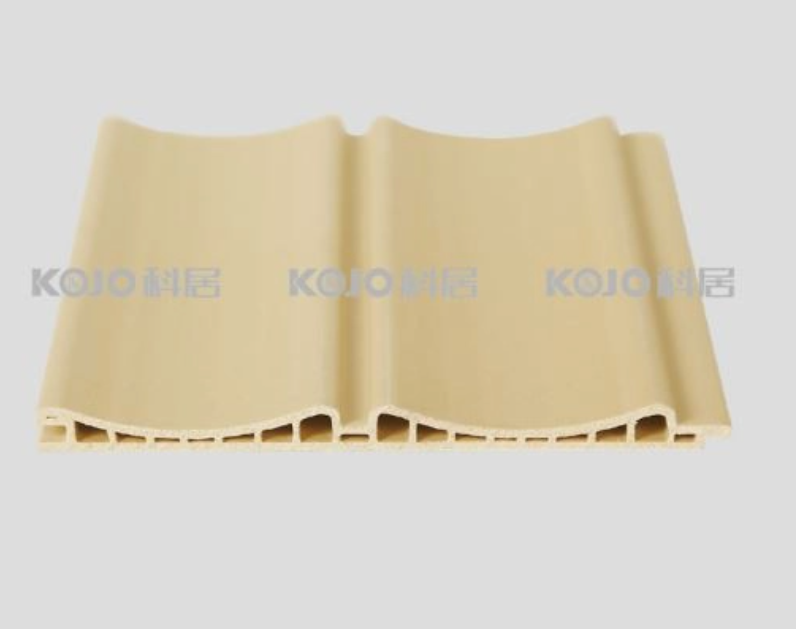
The production of WPC begins by mixing wood fibers with thermoplastic resins, such as polyethylene or PVC. Additives like UV stabilizers, lubricants, and coupling agents are introduced to improve the material's durability and appearance. The mixing process ensures that the wood fibers are evenly distributed and effectively bound to the plastic, creating a uniform composite.
Once mixed, the material takes on a dough-like consistency, making it easier to shape and mold. The specific ratio of wood fibers to plastic varies depending on the intended application, allowing manufacturers to customize the properties of the WPC for specific needs, such as increased rigidity or flexibility.
Once the materials are blended, they are formed into the desired shapes using one of three common techniques: extrusion, injection molding, or compression molding.
Extrusion: This is the most common method for producing WPC. The blended material is forced through a die to form continuous profiles, such as decking boards or trim. This process allows for high-volume production of standardized shapes.
Injection Molding: Molten WPC is injected into molds to create more complex shapes. This method is typically used for producing smaller components, such as furniture parts or accessories.
Compression Molding: This technique uses a mold to press the molten WPC into specific shapes, often for products like panels and siding.
Each of these methods contributes to the material’s strength, flexibility, and resistance to wear.
Polyethylene-based WPC (PE WPC) is one of the most common types of WPC due to its excellent resistance to moisture and environmental wear. PE WPC is frequently used in outdoor applications such as decking, fences, and garden furniture, where durability is key. Its resistance to rot, mildew, and insects makes it an ideal material for areas with high humidity or rain.
PVC-based WPC is generally more affordable than PE WPC but is not as resilient in extreme weather conditions. While PVC-based products are suitable for indoor use or covered outdoor areas, they may degrade more quickly when exposed to direct sunlight and moisture. These products are often used for cladding and interior trim, where UV resistance is less of a concern.
Other types of WPC, such as those made from polypropylene (PP) or acrylonitrile butadiene styrene (ABS), offer specific advantages for certain applications. PP-based WPC is lightweight and durable, making it suitable for automotive components and furniture, while ABS-based WPC is known for its strength and impact resistance, ideal for high-stress environments.
Unlike natural wood, WPC does not require regular sealing, staining, or painting. This low-maintenance feature makes WPC a popular choice for decking and other outdoor applications. A simple cleaning with water and mild soap is often enough to keep WPC looking its best, which significantly reduces both time and cost associated with upkeep.
One of the standout features of WPC is its resistance to weathering. While natural wood is susceptible to rot, warping, and fading under the sun and rain, WPC resists these issues due to its plastic content. The material can withstand heavy rains, intense sunlight, and fluctuating temperatures, ensuring that it retains its appearance and integrity for many years.
WPC outperforms traditional wood in terms of durability. It resists the wear and tear that can cause wood to splinter, crack, or degrade over time. WPC is particularly suited for harsh outdoor environments where exposure to the elements could significantly reduce the lifespan of traditional wood products.
Another advantage of WPC over traditional wood is its resistance to termites and other wood-boring insects. Unlike wood, which is a prime target for termites, WPC is impervious to insect damage, making it a great alternative for areas prone to pest infestations.
WPC is most commonly used in decking and outdoor flooring due to its durability and resistance to the elements. WPC decking boards maintain their strength and beauty over time, requiring minimal maintenance. Available in a variety of colors and textures, WPC can be customized to suit any design preference, from traditional wood looks to modern finishes.
In addition to decking, WPC is also widely used for fencing and railing systems. WPC offers the perfect combination of strength and aesthetic appeal, creating long-lasting structures that require very little maintenance. The material’s resistance to moisture and insects ensures that fences and railings remain stable and secure for years.
WPC is increasingly being used in cladding and siding applications. Its ability to mimic wood while offering superior resistance to weathering and environmental factors makes it ideal for exterior walls. WPC cladding and siding also offer energy efficiency benefits, as the material can provide additional insulation for buildings.
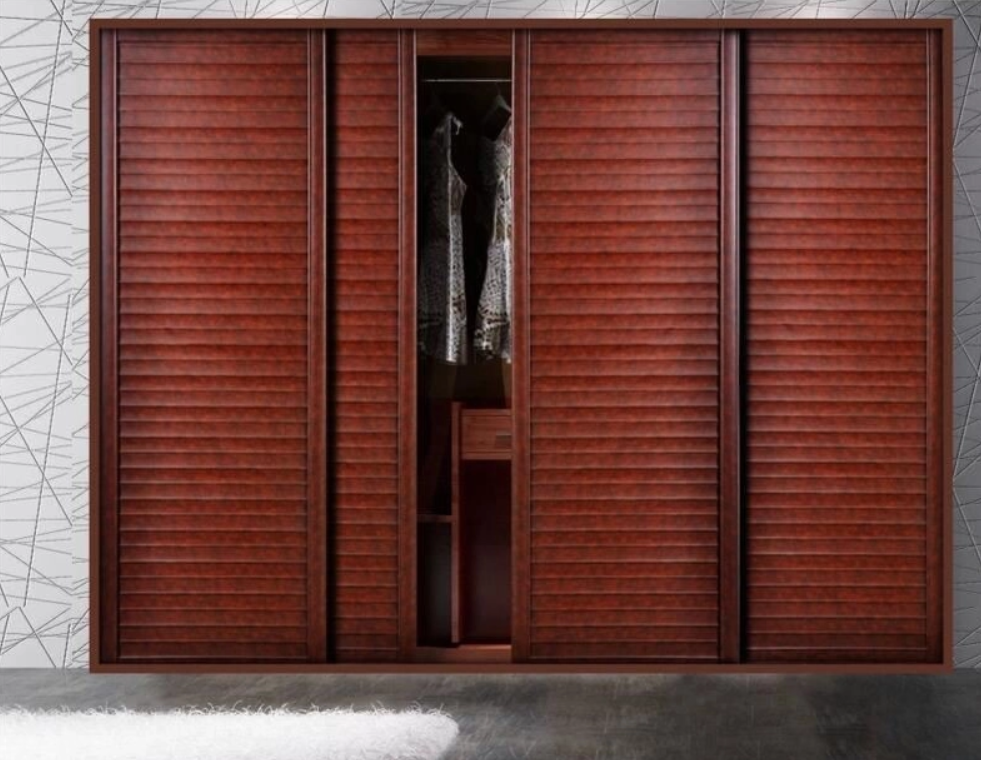
While WPC is predominantly used outdoors, it is also finding its place in indoor furniture and cabinetry. The material’s versatility allows it to be used in a variety of applications, including kitchen cabinets, bathroom vanities, and even decorative trim. WPC’s moisture resistance makes it particularly well-suited for environments like kitchens and bathrooms.
WPC far surpasses traditional wood in terms of durability. While wood is prone to rot, decay, and damage from insects, WPC’s combination of wood fibers and plastic makes it impervious to these issues. Compared to plastic, WPC offers a more natural look and is better suited for construction and outdoor use.
WPC is designed to mimic the appearance of natural wood, with options for various grain patterns and finishes. However, unlike wood, WPC requires no painting or staining to maintain its appearance. The material offers the warmth of wood with enhanced longevity, making it ideal for both residential and commercial applications.
While WPC may have a higher initial cost than traditional wood, its long-term savings on maintenance make it a more cost-effective option in the long run. The durability and low maintenance requirements of WPC ensure that it offers a better return on investment over time, especially when compared to the constant upkeep needed for natural wood.
Wood Plastic Composite (WPC) Overview
| Feature | Description |
|---|---|
| Material Composition | A blend of wood fibers and thermoplastic resins such as polyethylene, PVC, or polypropylene. |
| Durability | Resistant to rot, decay, and insect damage, ideal for outdoor use. |
| Maintenance | Requires minimal upkeep—no staining, sealing, or painting needed. |
| Applications | Used in decking, fencing, cladding, furniture, and custom design projects. |
| Eco-Friendliness | Made from recycled wood fibers and plastics, reducing waste and supporting sustainability. |
| Weather Resistance | Withstands harsh weather conditions like rain, heat, and humidity without deteriorating. |
| Cost Effectiveness | While initially higher, it offers long-term savings due to low maintenance and high durability. |
| Aesthetic Appeal | Mimics the appearance of natural wood with enhanced performance and a variety of design options. |
Installing WPC is straightforward with the right tools. Basic woodworking tools such as circular saws, drills, and screwdrivers are all that’s needed for most WPC projects. However, it’s important to use carbide-tipped blades when cutting WPC to ensure clean cuts without damaging the material.
To maximize the lifespan and performance of WPC, proper installation is crucial. Be sure to leave space for thermal expansion, especially in outdoor applications like decking. Adequate ventilation beneath WPC decking is also necessary to prevent moisture buildup, which could affect the material’s stability.
One of the most common mistakes in WPC installation is improper spacing between boards, which can lead to warping or buckling. Additionally, using the wrong fasteners can cause corrosion, so always choose corrosion-resistant screws designed for use with WPC.
Wood Plastic Composite (WPC) is a sustainable, low-maintenance solution for both indoor and outdoor projects. Its durability and resistance to weather make it a top choice for construction and design. Whether used in decking, cladding, or custom furniture, WPC offers the perfect balance of performance and style.
KOJO provides high-quality WPC products, ensuring long-lasting results with minimal maintenance. Their offerings add value to your next project, delivering both durability and aesthetic appeal.
A: Wood plastic composite (WPC) is a material made by combining wood fibers with thermoplastic resins like polyethylene or PVC. It offers the appearance of wood but with enhanced durability and low maintenance.
A: WPC is made by mixing wood particles with plastic polymers, followed by extrusion or molding. This process creates a strong, versatile material suitable for various applications.
A: WPC is durable, weather-resistant, low-maintenance, and eco-friendly. It resists rot, insects, and moisture, making it ideal for outdoor projects like decking and fencing.
A: Yes, WPC is increasingly used for furniture due to its strength, aesthetic appeal, and resistance to moisture. It is perfect for kitchens, bathrooms, and outdoor furniture.
A: While WPC may have a higher upfront cost, its durability and low maintenance requirements make it a more cost-effective option in the long term.
A: No, WPC requires minimal care. Simply clean with soap and water. Unlike wood, it doesn't need staining, sealing, or painting.


